Installation Time, Curing, Aftercare, and Wisconsin Tint Requirements
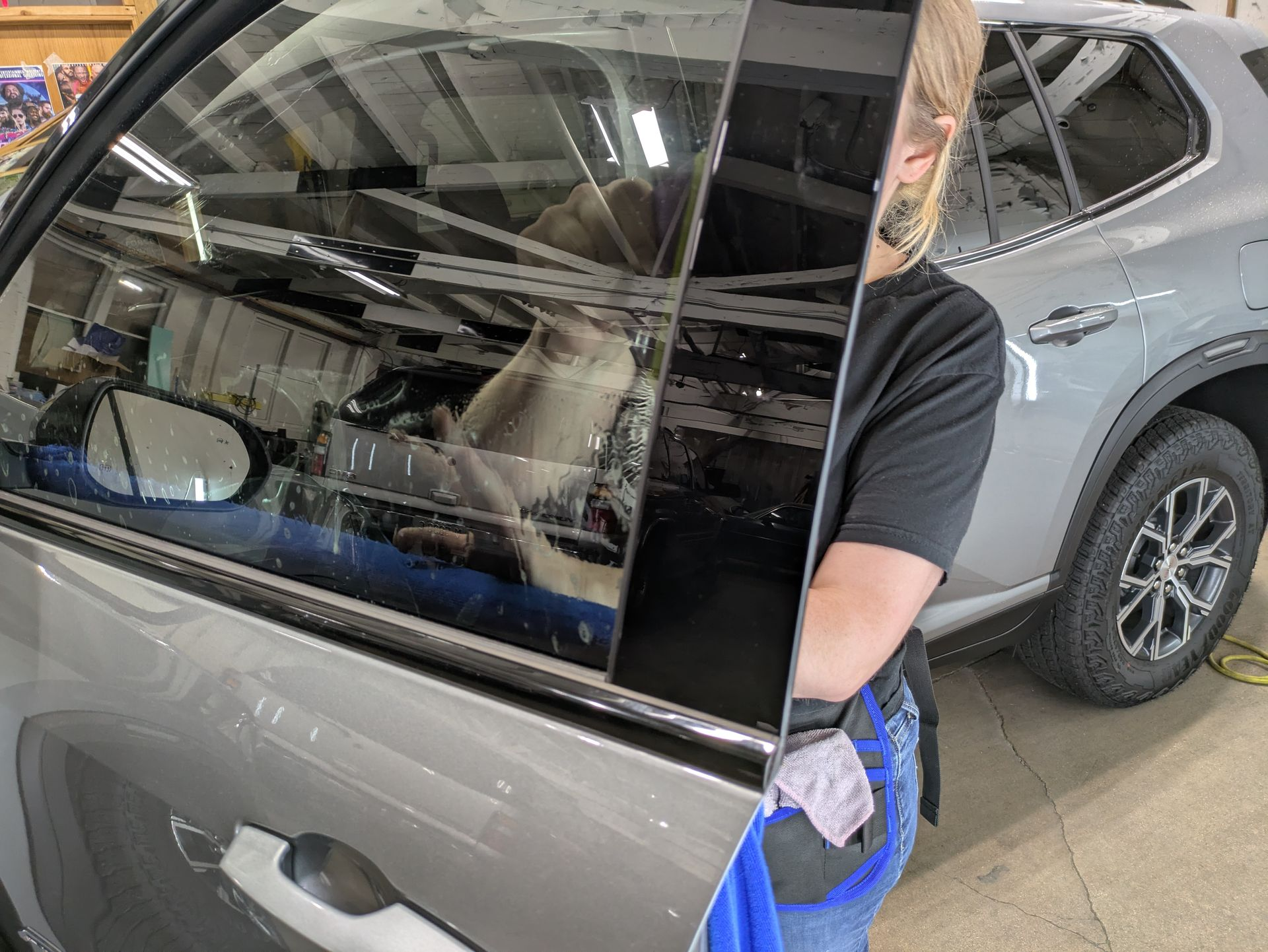
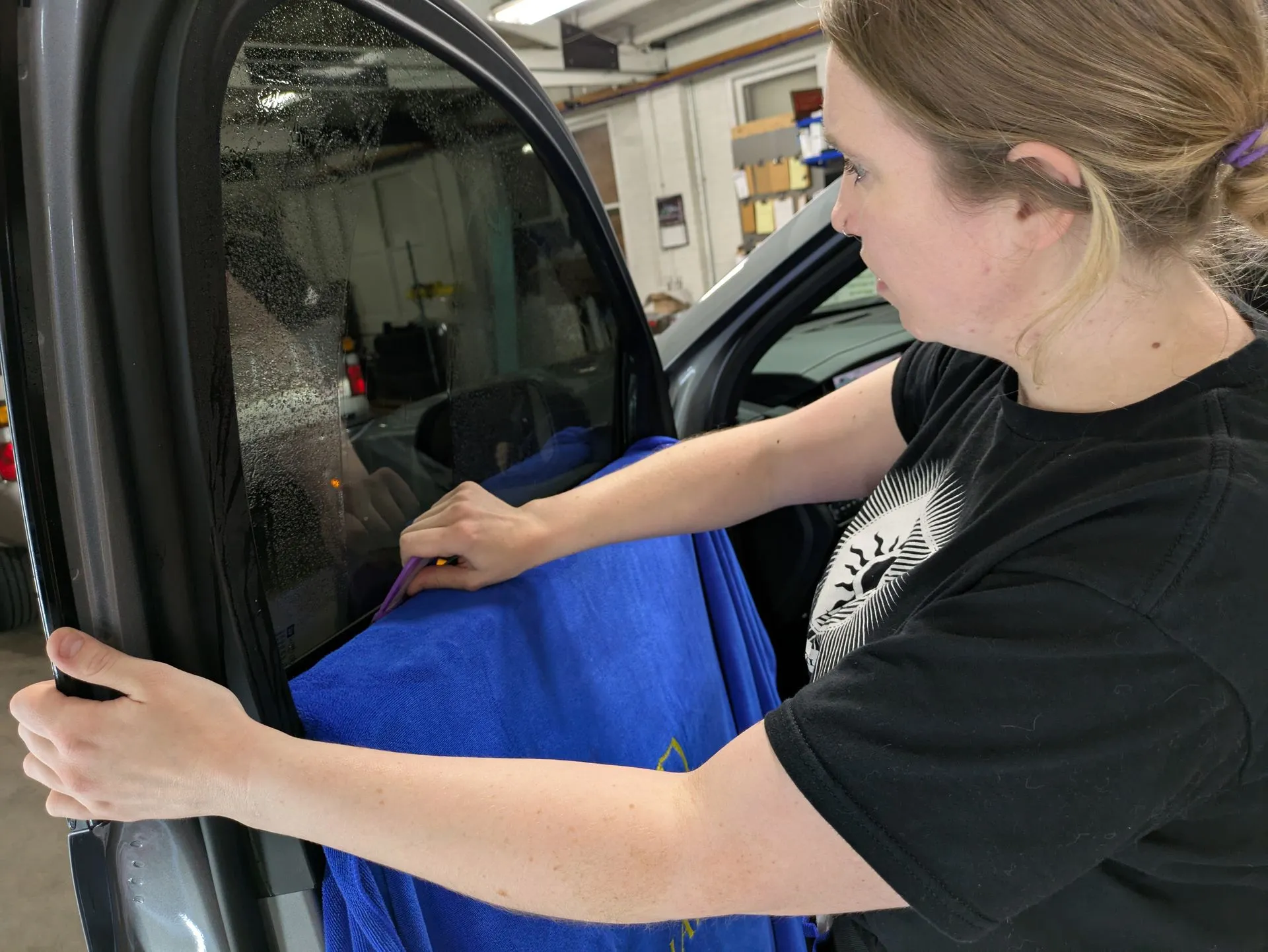
Most professional car window tinting jobs can be completed within a few hours, although the exact amount of time depends on the vehicle, how many windows are being tinted, the condition of the glass, and whether existing tint needs to be removed.
At Tidy Car in Sheboygan, most window tint installations can be completed in a few hours depending on the size and type of vehicle. Proper preparation is an important part of the process, so the goal is not simply to apply the film quickly. The glass needs to be carefully prepared, the film needs to be installed correctly, and the finished work needs time to begin curing before the vehicle leaves the shop.
If you are considering professional window tinting in Sheboygan, it helps to think about more than the appointment itself. There is the time required to install the tint, the curing period afterward, and the aftercare needed to help protect the finished installation.
Understanding that complete timeline can make it easier to schedule your appointment and know what to expect once you drive away.
What Determines How Long Window Tinting Takes?
There is no single installation time that applies to every vehicle.
Tinting two front windows is a much smaller project than tinting every eligible window on a large SUV. A vehicle with several quarter windows or complex rear glass can also require more installation work than a vehicle with simpler glass.
Existing window film is another major factor. If old tint must be removed before the new film can be installed, additional time may be needed to remove the material and adhesive carefully without damaging the glass or nearby components.
The cleanliness and condition of the windows can affect preparation as well. Professional window tinting requires a clean surface because dust, debris, adhesive residue, and other contamination can interfere with the final appearance.
Vehicle design also matters. Some windows have greater curvature, limited access, or shapes that require more careful film preparation and positioning.
For these reasons, the most accurate installation estimate usually comes after the shop knows what vehicle you have, which windows you want tinted, and whether any existing film must be removed.
What Happens During a Professional Window Tint Installation?
Window tinting involves considerably more than placing a dark sheet of film over the glass.
The process begins with inspecting and preparing the windows. The interior glass must be thoroughly cleaned so the film has a smooth surface for installation. Any residue, dirt, or contamination that could become trapped underneath the film needs to be addressed before installation begins.
The tint film is then prepared for the specific dimensions and shape of each window. Depending on the window, the installer may need to shape the film so that it follows the curvature of the glass properly.
Once prepared, the film is applied to the inside surface of the glass. A mounting solution helps the installer position the film accurately before moisture and air are carefully worked out from underneath it.
This part of the process requires precision. Rushing installation can affect the finished appearance, which is why a professional tint appointment should be judged by the quality of the result rather than how quickly the vehicle leaves the shop.
Tidy Car currently offers both CarbonFX and FXtreme2 nano-ceramic automotive window film options. The FXtreme2 film is non-metalized and designed to provide heat rejection and UV protection while maintaining compatibility with electronics such as GPS, cell phones, satellite radio, and keyless entry systems.
Does Tinting Two Windows Take Less Time?
Yes. Tinting only the front two windows generally requires less installation time than completing a full vehicle.
This is a common option for drivers who already have privacy glass or factory-darkened glass toward the rear of the vehicle and want a more consistent appearance toward the front.
Even though the installation itself may be shorter, the film still needs to cure afterward. A smaller tint job does not mean the adhesive reaches its final bond immediately.
When requesting a quote, tell the shop exactly which windows you want tinted so they can provide a more accurate appointment estimate.
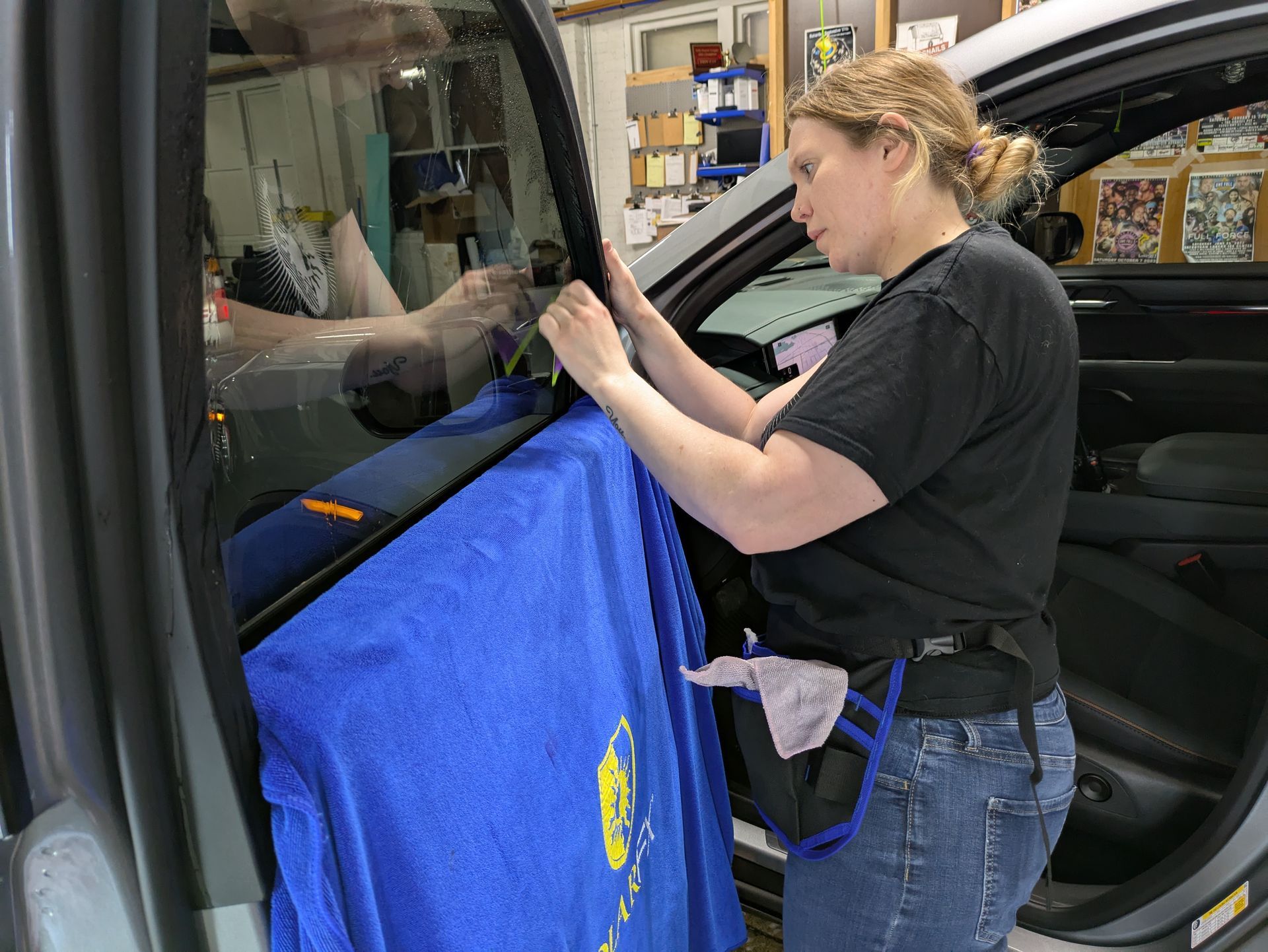
Does Removing Old Window Tint Add Time?
Existing tint can extend the appointment, sometimes considerably.
Removal is not simply a matter of pulling the old film off. Depending on the age and condition of the tint, adhesive can remain on the glass and must be removed before new film is installed.
Rear windows can require additional care because many vehicles have defroster lines integrated into the glass. The installer needs to work carefully around these components during film removal and surface preparation.
Older film that has deteriorated, bubbled, peeled, or left significant adhesive behind can therefore make the job more involved.
If your vehicle already has aftermarket tint, mention it when scheduling your appointment. That allows the shop to account for possible removal time rather than discovering the existing film once the vehicle is already in the bay.
Installation Time and Cure Time Are Not the Same
One of the most important things to understand about window tinting is that installation and curing are separate stages.
Your vehicle can be ready to leave the shop even though the tint has not completely cured.
Window film is installed using moisture that helps the installer position and apply the material. Some moisture can remain between the film and glass after installation and gradually dissipates as the film cures.
Because of this, freshly installed tint may not look completely settled the moment you pick up your vehicle.
Slight haziness or moisture underneath the film can sometimes be visible during the early curing period. That does not automatically mean there is a problem with the installation.
The exact curing period varies depending on the film, temperature, humidity, vehicle, and environmental conditions. Follow the aftercare instructions provided by your installer rather than assuming that every film or vehicle follows the same timeline.
Does Cold Weather Affect Window Tint Curing?
Cold weather can affect how quickly moisture dissipates after window tint installation.
That is especially relevant for vehicle owners in Sheboygan, where winter temperatures can remain low for extended periods.
A tint installation performed during colder weather may take longer to fully settle than the same installation during warmer conditions. This does not necessarily mean you should avoid having your windows tinted during winter. It simply means you may need to allow more time for the curing process and pay close attention to the shop's aftercare instructions.
Parking the vehicle in a garage or other protected environment may also provide more consistent conditions than leaving it exposed to severe winter temperatures.
The most important thing is not to judge fresh tint too quickly. If you notice temporary haze or moisture shortly after installation, give the film time to cure according to the instructions provided by your installer.
If something still appears abnormal after the expected curing period, contact the shop so they can inspect it.
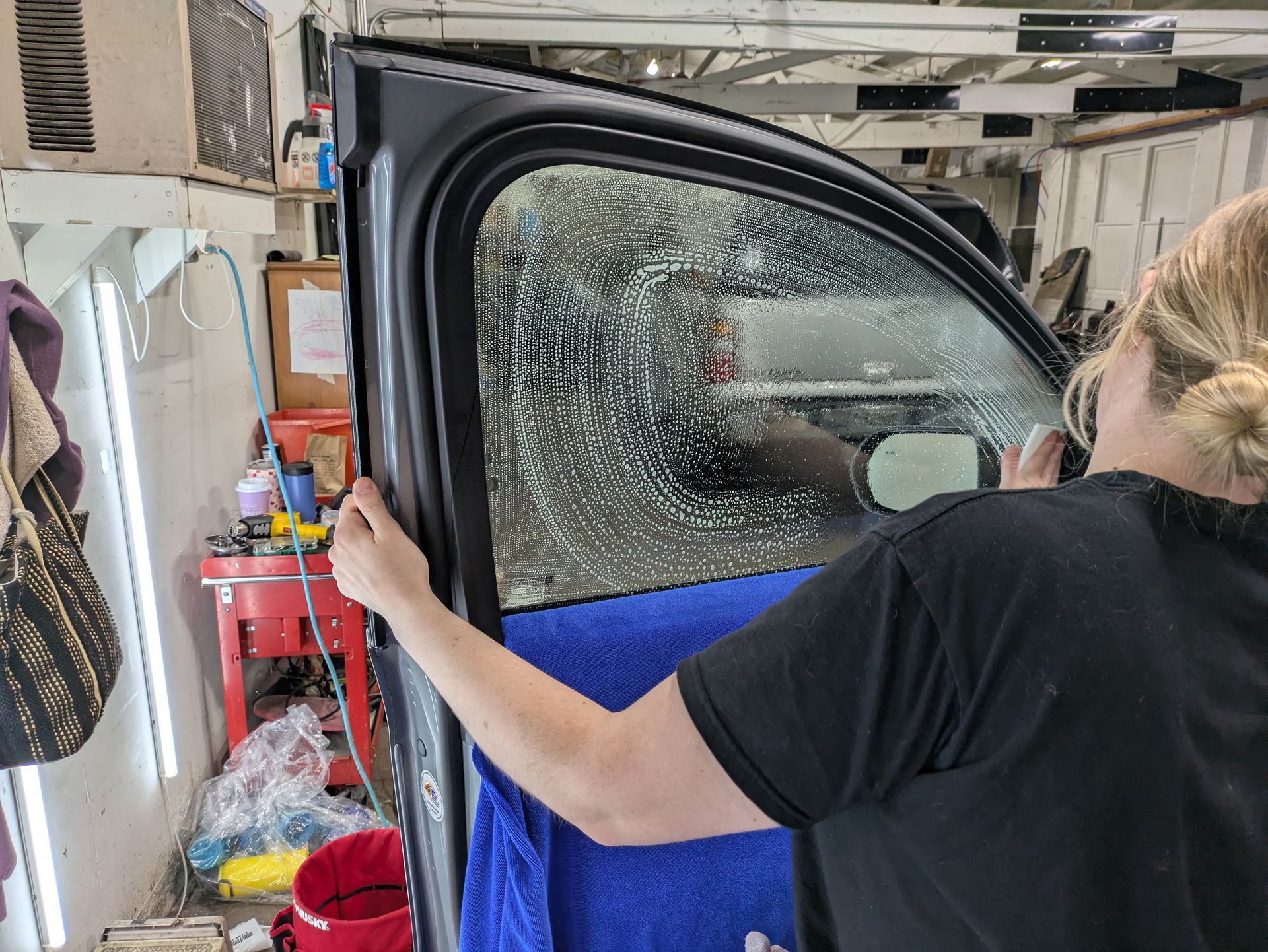
When Can You Roll Your Windows Down After Tinting?
Do not immediately roll down freshly tinted windows.
The film needs time to bond properly to the glass, and lowering the window too soon can place unnecessary stress on the edges of the tint before the installation has sufficiently cured.
Rather than relying on a universal number of days found online, follow the specific aftercare instructions provided when you pick up your vehicle. The appropriate waiting period can depend on the film and environmental conditions, particularly during colder Wisconsin weather.
The same applies to cleaning the inside of the windows. Avoid cleaning or placing unnecessary pressure on the newly tinted interior surface until the installer says it is safe to do so.
Once the film has cured, use cleaning products and materials that are appropriate for automotive window tint to help maintain the finish.
Why Does New Window Tint Sometimes Look Hazy?
Temporary haze after installation can be part of the normal curing process.
Because window film is installed using moisture, some of that moisture may still be visible underneath the film after the vehicle leaves the shop. It gradually dissipates as the installation cures.
Depending on the conditions, you may initially notice areas that appear slightly cloudy or uneven.
Avoid pressing, rubbing, or attempting to push these areas out yourself. Doing so can damage an installation that simply needs additional time to cure.
If the appearance does not improve within the timeframe your installer provided, contact the shop and allow them to evaluate the film.
Wisconsin Window Tint Requirements
Installation time is only one consideration when choosing automotive window tint. The finished tint also needs to comply with Wisconsin requirements.
Wisconsin regulates aftermarket tint based on visible light transmission, often abbreviated as VLT. VLT represents how much visible light passes through the window.
Under Wisconsin's current administrative rules, aftermarket tint on front side windows must allow the combination of the original glazing and film to transmit at least 50% of visible light. For rear windows and rear side windows where aftermarket tint is applied, the glazing and film combination must generally transmit at least 35% of visible light, and the permitted film may not be reflective.
Wisconsin also restricts where aftermarket film may be placed on the windshield. The permitted portion depends on the manufacturer's marking and the driver's critical viewing area.
An important detail is that the tint percentage advertised for the film itself is not necessarily the final VLT of the completed window. Wisconsin's rules consider the combination of the existing glass and the added tinting film.
For that reason, choosing a tint should involve more than simply selecting the darkest percentage that looks appealing. A professional installer can help you understand the available options for your vehicle and make a more appropriate selection.
Because laws and regulations can change, vehicle owners should confirm current Wisconsin requirements when their tint is installed.

Should You Tint Your Windows During Winter?
You can have your vehicle professionally tinted during winter.
The main consideration is whether you can properly follow the aftercare instructions while the film cures.
Cold conditions can slow the curing process, so patience becomes particularly important after a winter installation. Avoid repeatedly testing the windows, pressing on areas that appear hazy, or lowering the glass before the recommended waiting period is over.
Scheduling can also matter if you know the vehicle will soon need window replacement or other glass work. If a window is going to be replaced, tinting it immediately beforehand would mean paying to tint glass that will soon be removed.
Similarly, let the shop know if your vehicle has older aftermarket film that needs to be removed. Giving the installer that information beforehand can help them schedule enough time for the job.
Frequently Asked Questions
How long does a full car window tint take?
Most window tint jobs at Tidy Car can be completed within a few hours, although the exact installation time depends on the size and type of vehicle. A vehicle with more windows, complicated glass, or existing tint that needs removal may require additional time.
How long does it take to tint two front windows?
Tinting only two windows is generally faster than completing an entire vehicle because there are fewer pieces of film to prepare and install. The exact appointment time depends on the vehicle and condition of the existing glass.
Can I roll my windows down right after tinting?
No. Fresh window film needs time to cure and bond properly before the windows are operated normally. Follow the aftercare instructions provided by your installer because temperature, film, and installation conditions can affect the recommended waiting period.
Is it normal to see haze after window tinting?
Some temporary haziness or visible moisture can occur while newly installed window film is curing. Avoid trying to press or remove it yourself. If it remains beyond the curing period your installer provided, contact the shop for an inspection.
Does winter make window tint take longer to cure?
Cold temperatures can slow the curing process, which means fresh tint may take longer to fully settle during a Sheboygan winter than during warmer weather. Follow your installer's instructions and allow the film adequate time before judging the finished appearance.
Does old window tint have to be removed first?
If your vehicle already has aftermarket film and you are replacing it, the existing tint generally needs to be removed before the new film is installed. Adhesive residue and the condition of the existing film can affect how much additional preparation is necessary.
Schedule Professional Window Tinting in Sheboygan
Tidy Car has served Sheboygan since 1983 and offers professional automotive window tinting along with other vehicle appearance and protection services. Most tint installations can be completed within a few hours depending on the vehicle, and both CarbonFX and FXtreme2 window film options are backed by a premium lifetime warranty.
The right timeline depends on what you drive, which windows you want tinted, whether existing film needs to be removed, and the conditions during curing.
Instead of focusing only on how quickly the job can be finished, choose an installation that prioritizes proper preparation, accurate application, and clear aftercare instructions.
Call (920) 452-9322 or contact Tidy Car to discuss your vehicle, available window tint options, estimated installation time, and Wisconsin-compliant choices.
RECENT POST