Benefits, Limitations, Winter Protection, and Easier Maintenance
Ceramic coating adds a durable protective layer over your vehicle's clear coat that helps repel water, resist environmental contamination, reduce UV exposure, and make routine cleaning easier. Unlike traditional wax, a professional ceramic coating bonds with the painted surface and can provide long-lasting protection when properly applied and maintained.
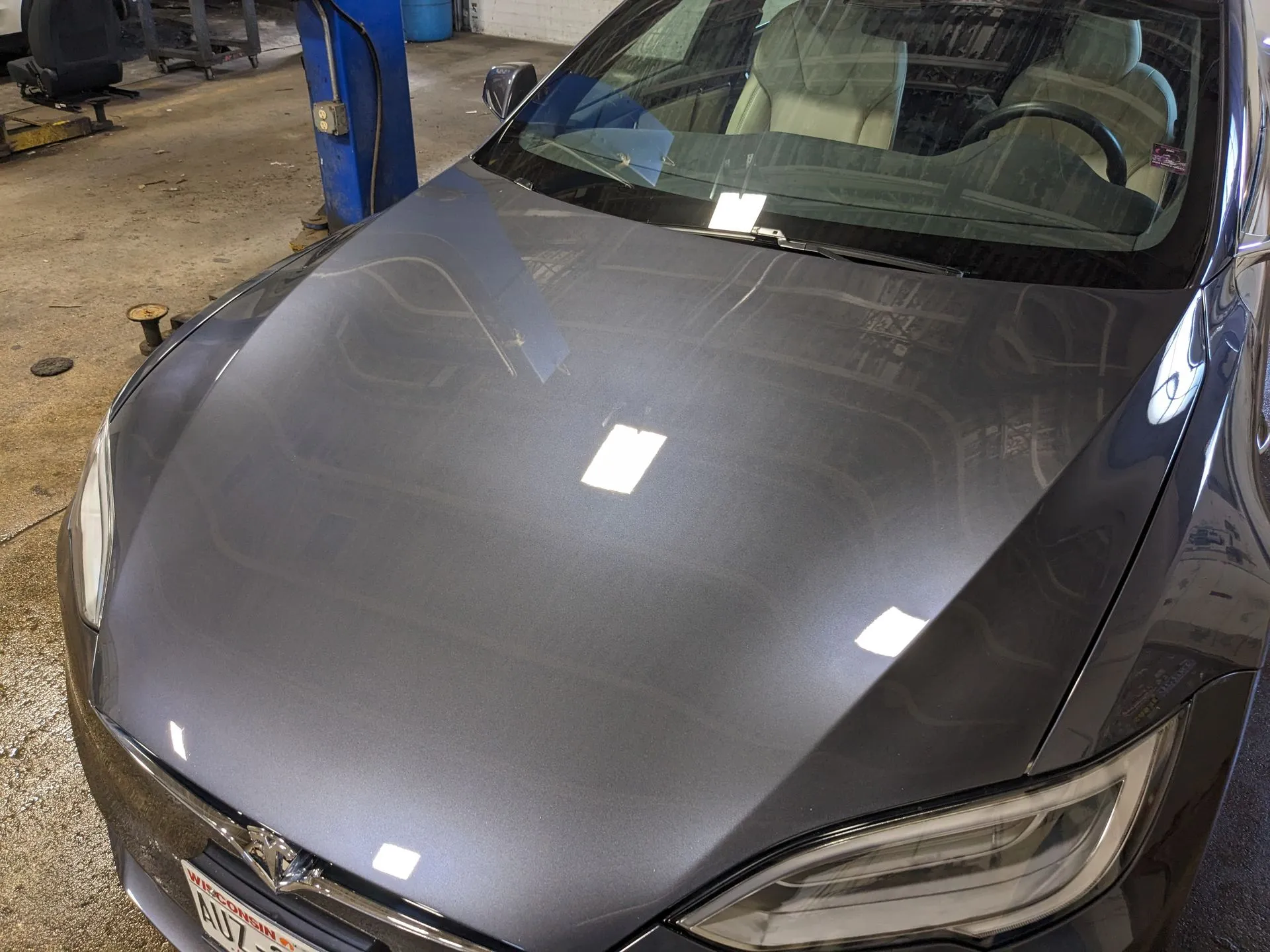
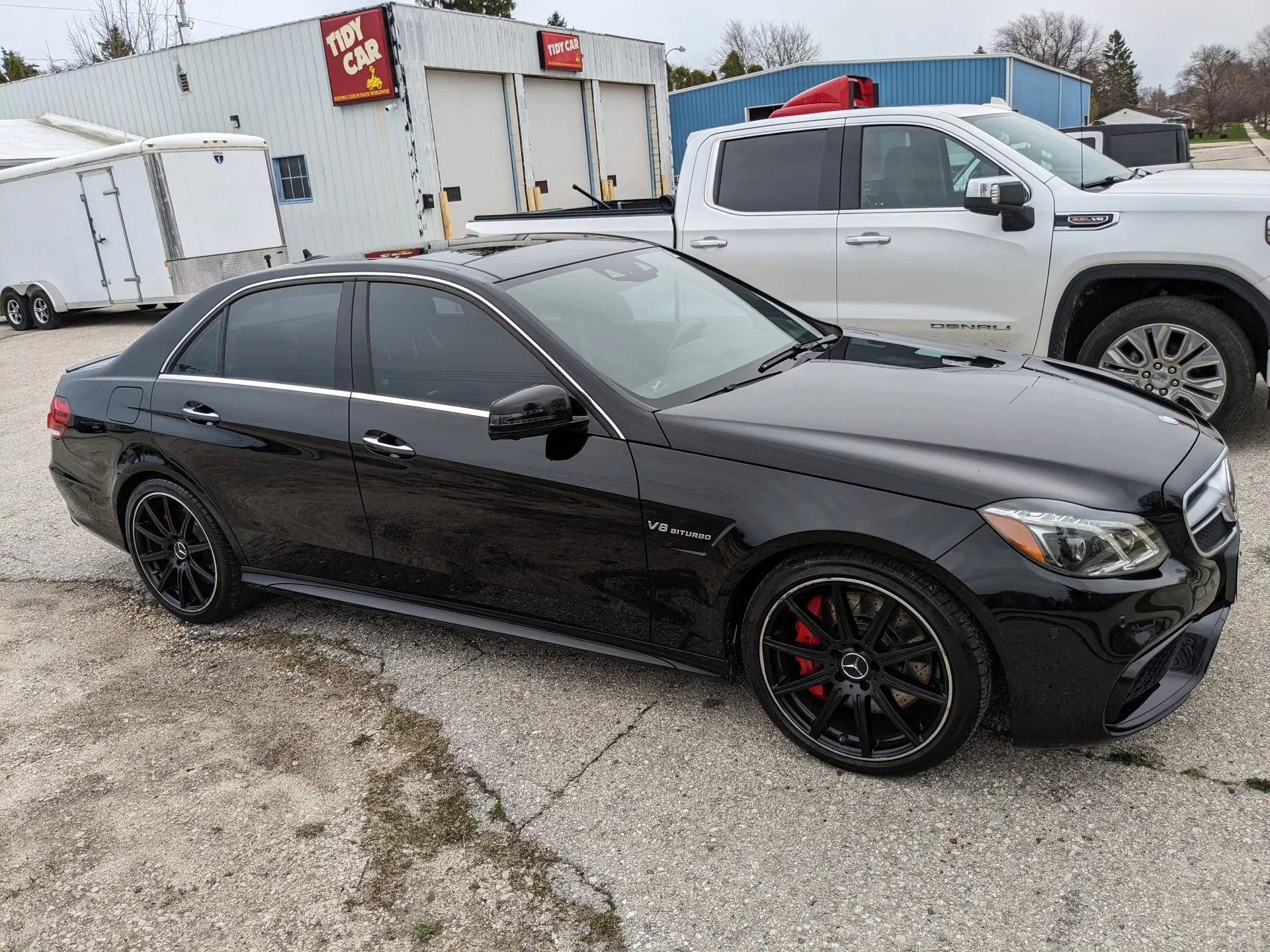
The key is understanding what ceramic coating is designed to do and what it is not.
It is not armor for your vehicle. It will not stop rock chips, deep scratches, dents, or every form of paint damage. Instead, it creates an additional barrier between your clear coat and the contaminants your vehicle encounters every day.
For drivers dealing with Wisconsin winters, road salt, changing temperatures, bugs, tree sap, and regular road grime, professional ceramic coating in Sheboygan can make maintaining your vehicle's finish much easier.
The Short Answer: What Ceramic Coating Actually Does
A professionally applied ceramic coating can:
Repel water and contaminants. Its hydrophobic surface encourages water to bead and roll away rather than spreading across the paint.
Help protect against UV exposure and oxidation. The coating adds another layer between your clear coat and environmental exposure.
Help resist chemical contamination. Road salt, bug residue, bird droppings, tree sap, and other contaminants have less direct contact with the painted surface.
Enhance gloss and depth. Properly prepared and coated paint can have a smoother, richer, more reflective appearance.
Make washing easier. Dirt and grime tend to release more easily from a coated surface.
Provide longer-lasting protection than traditional wax. Professional coatings are designed for extended durability when they are properly maintained.
Ceramic coating is best viewed as a maintenance and preservation upgrade. It helps your vehicle stay cleaner, makes contamination easier to remove, and reduces how much direct exposure your clear coat receives over time.
How Ceramic Coating Works on Your Paint
Traditional wax creates a temporary protective layer that sits on top of your paint. Ceramic coating works differently.
Once professionally applied and cured, the coating bonds with the vehicle's clear coat and creates a durable protective surface. Because this surface is highly hydrophobic, water has a harder time spreading across the panel. Instead, it tends to form beads and move away more easily.
That hydrophobic effect is one of the most noticeable benefits of ceramic coating, but the bigger advantage is what happens during regular vehicle use.
Your car is constantly exposed to road grime, rain, dust, bugs, bird droppings, salt, and other environmental contaminants. A ceramic coating creates another layer these contaminants must encounter before reaching the clear coat.
That does not mean contaminants can safely remain on the vehicle indefinitely. Regular washing is still important. The difference is that maintaining a properly coated vehicle is typically easier than maintaining an unprotected finish.
Ceramic Coating vs Wax vs Paint Sealant
Wax, synthetic sealants, and ceramic coatings can all protect your paint, but they provide different levels of durability and maintenance.
Carnauba wax provides a warm shine and temporary protection but generally requires frequent reapplication.
Synthetic paint sealants typically last longer than traditional wax and provide a durable sacrificial layer over the paint.
Ceramic coatings are designed for significantly longer-term protection and chemically bond with the prepared surface rather than simply sitting on top of it.
For drivers who enjoy waxing their vehicles regularly, traditional products can still make sense. Ceramic coating is better suited to vehicle owners looking for longer-lasting protection and easier routine maintenance.
Even with a coating, your car still needs proper washing. Periodic exterior detailing can also help remove contamination and maintain the coating's performance.
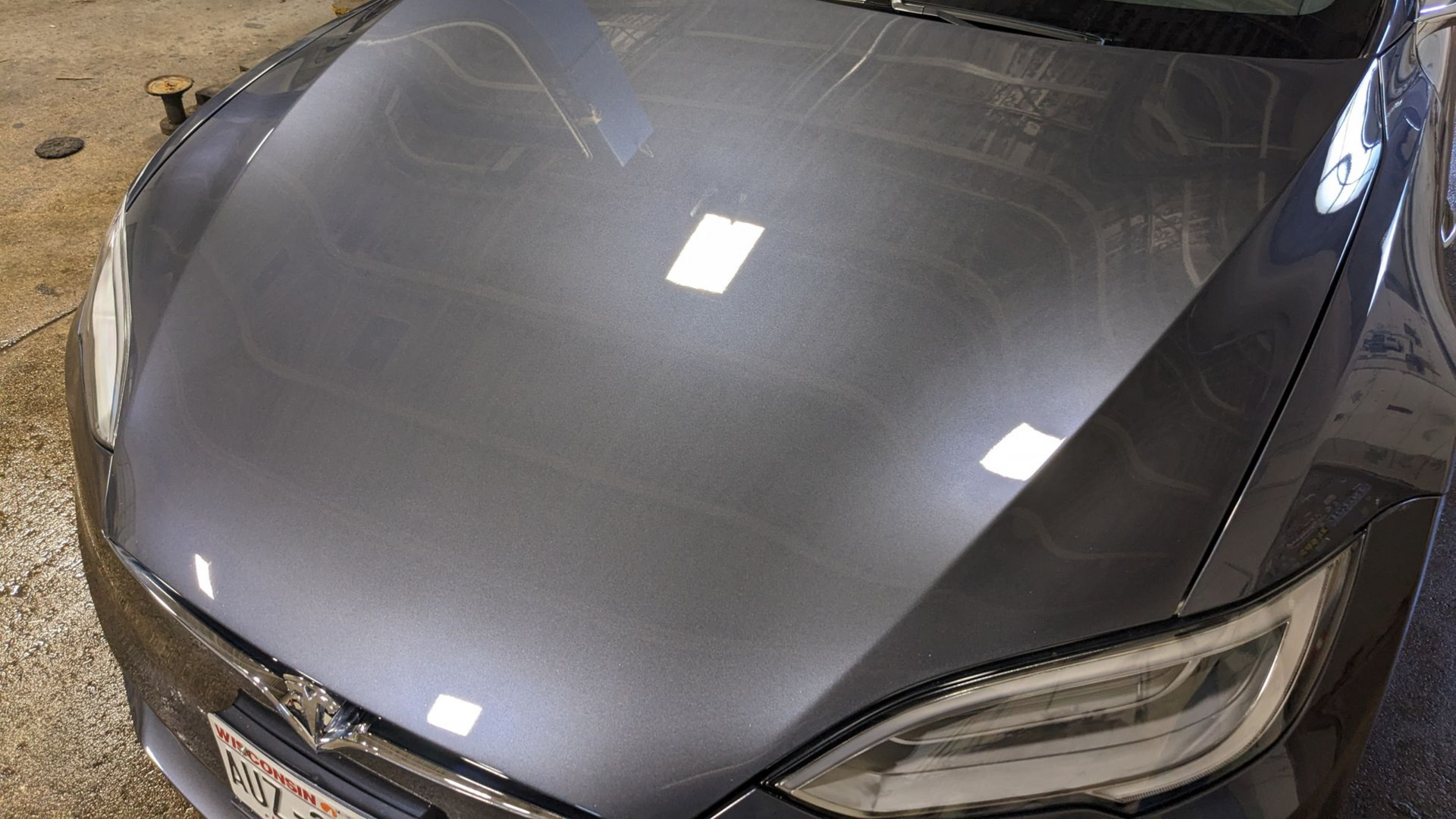
What Ceramic Coating Will Not Do
Understanding the limitations of ceramic coating is just as important as understanding the benefits.
It Will Not Stop Rock Chips.
Ceramic coating is extremely thin. It is not designed to absorb the impact of stones and road debris traveling at highway speeds.
If rock chips are your primary concern, paint protection film provides a thicker physical barrier over vulnerable painted surfaces.
It Will Not Prevent Deep Scratches
Ceramic coating should not be treated as scratch-proof protection.
Branches, keys, shopping carts, accidents, and other significant contact can still damage the clear coat and paint underneath.
Proper washing techniques are also important. Because coated surfaces are easier to clean, there may be less need for aggressive scrubbing, which can help reduce opportunities for wash-induced marring.
It Will Not Prevent Dents
Ceramic coating provides surface protection. It cannot prevent door dings, hail damage, collision damage, or dents caused by physical impact.
It Will Not Hide Existing Paint Defects
Ceramic coating enhances the surface that is already there.
If the paint contains visible swirl marks, oxidation, or other imperfections, those defects may remain visible after coating unless they are corrected beforehand.
It Will Not Make Your Car Self-Cleaning
A coated vehicle still needs regular washing.
Water, dirt, road salt, and contamination may release more easily, but ceramic coating does not eliminate normal vehicle maintenance.
It Will Not Protect the Underbody
Ceramic coating protects the painted surfaces where it is applied. It does not replace underbody protection or rust prevention.
For Wisconsin vehicles exposed to winter road treatments, undercoating and rustproofing address a completely different area of the vehicle.
Why Paint Preparation Matters Before Ceramic Coating
One of the most important parts of professional ceramic coating happens before the coating itself is applied.
The painted surface must be properly cleaned and prepared so the coating can bond correctly. Depending on the condition of the vehicle, preparation may include washing, chemical decontamination, clay treatment, and machine polishing.
If a vehicle has noticeable swirl marks, oxidation, or paint imperfections, paint correction may be recommended before coating.
This matters because ceramic coating does not conceal defects. Instead, it preserves and enhances the surface underneath it.
A newer vehicle with paint in excellent condition may require less correction than an older vehicle that has been through several Wisconsin winters, automatic car washes, or years of improper washing.
That is also why professional ceramic coating pricing can vary considerably. The condition of the paint, preparation requirements, coating system, vehicle size, and level of protection all influence the overall service.
What Ceramic Coating Means During a Sheboygan Winter
Ceramic coating becomes especially useful when vehicles are regularly exposed to Wisconsin winter conditions.
Road salt, slush, moisture, grime, and repeated temperature changes can make keeping a vehicle clean difficult throughout the colder months.
A ceramic coating does not make winter contamination harmless, but it gives your painted surfaces an additional layer of protection. Salt and road grime are less likely to bond as strongly to a properly coated surface, which can make them easier to rinse and wash away.
This matters because contaminants should still be removed regularly.
Instead of aggressively scrubbing grime from unprotected paint, a coated vehicle can generally be maintained with less effort when proper washing techniques are used.
Ceramic coating can therefore become part of a broader winter vehicle protection strategy.
The coating helps protect painted surfaces, while undercoating addresses areas underneath the vehicle that ceramic coating cannot reach.
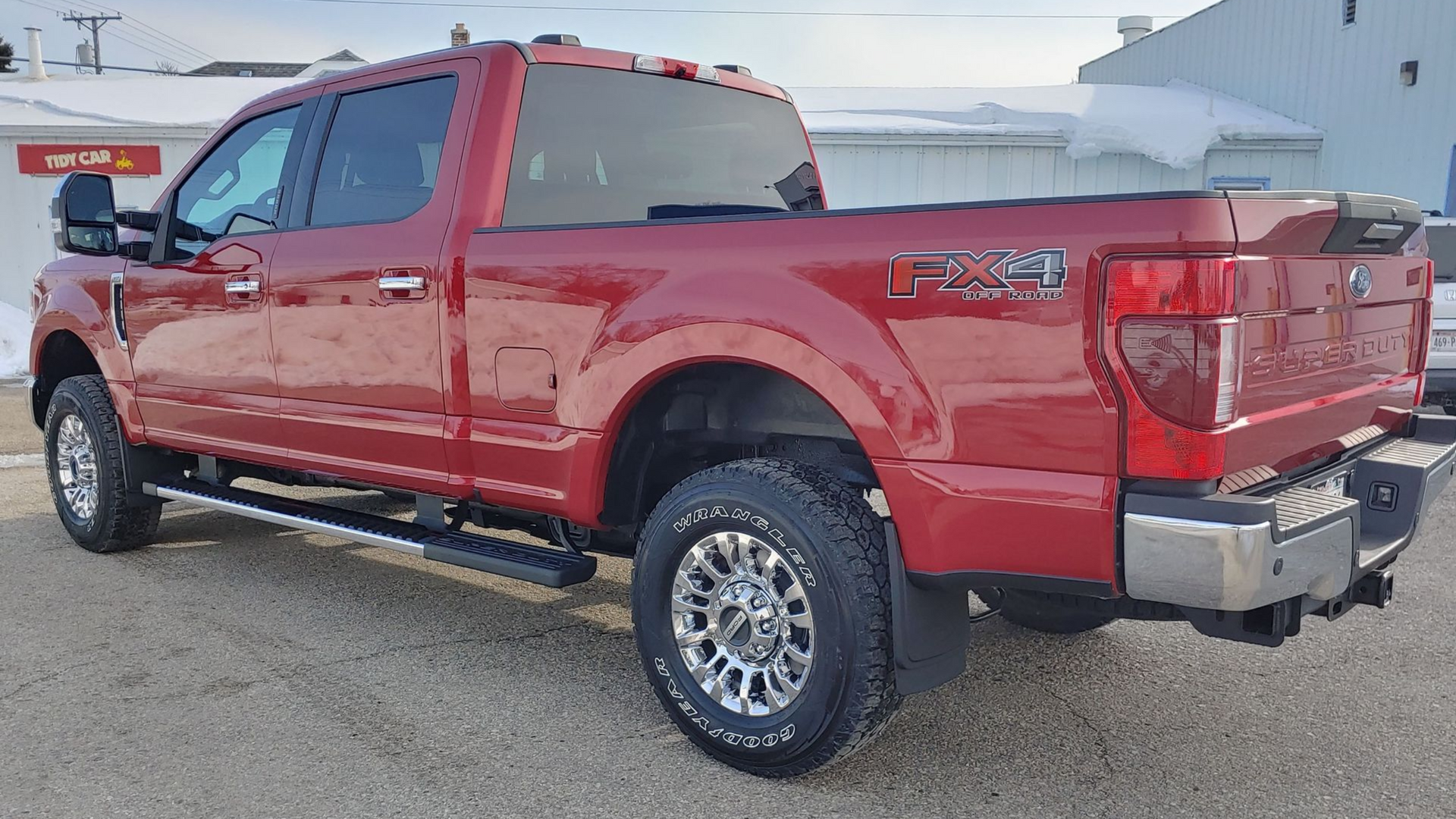
What Does a 9H Ceramic Coating Rating Mean?
Many ceramic coating products reference a 9H hardness rating.
The important thing for vehicle owners to understand is that a 9H rating does not mean the coating makes the vehicle scratch-proof.
Ceramic coatings are primarily valuable because of their hydrophobic properties, chemical resistance, gloss enhancement, durability, and easier maintenance.
A hardness rating should never be interpreted as a guarantee against rock chips, deep scratches, keys, branches, or physical impact.
If a shop markets ceramic coating primarily as scratch-proof armor, ask what level of protection the product actually provides and what limitations apply.
Ceramic Coating Is Not Ceramic Window Tint
The word "ceramic" is also commonly used when describing automotive window film, but ceramic coating and ceramic window tint are completely different products.
Ceramic coating is applied to exterior vehicle surfaces to help protect and maintain the finish.
Ceramic window film is used as part of automotive window tinting and is designed to provide benefits through the vehicle's glass.
Choosing one does not replace the other. They protect different areas of the vehicle and address different concerns.
When Ceramic Coating Might Not Be the Right Choice
Ceramic coating is not automatically the best investment for every vehicle owner.
You are most concerned about rock chips.
If highway debris and stone impacts are your biggest concerns, paint protection film may be the more appropriate first step.
PPF creates a physical barrier over vulnerable areas such as the bumper, hood, fenders, and mirrors. Certain films can also self-heal minor marks in the film itself when exposed to heat.
Tidy Car's Opticle paint protection film is designed specifically for this type of physical surface protection.
Your Paint Needs Significant Correction
If the paint already has noticeable swirls, oxidation, or other imperfections, discuss correcting those issues before applying a long-lasting coating.
Applying ceramic coating without appropriate preparation can leave those imperfections visible underneath the finished surface.
You Expect the Vehicle to never need washing again.
Ceramic coating reduces maintenance. It does not eliminate it.
Drivers who regularly and properly maintain their coated vehicles are more likely to enjoy the appearance and performance of the coating over time.
The vehicle has more urgent protection needs.
If corrosion, underbody deterioration, or other major vehicle condition concerns are already present, those issues may deserve attention before investing primarily in exterior gloss and paint maintenance.
Frequently Asked Questions
How long does ceramic coating last?
Professionally applied ceramic coatings can provide protection for several years or more, depending on the coating system and how the vehicle is maintained.
Longevity can be affected by washing habits, storage conditions, mileage, environmental exposure, and Wisconsin winter driving.
Is ceramic coating better than wax?
Ceramic coating generally provides greater durability and chemical resistance than traditional wax.
Wax may still appeal to owners who enjoy frequent vehicle care and want an inexpensive temporary layer of protection. Ceramic coating is better suited to drivers looking for longer-lasting protection and less frequent reapplication.
Does ceramic coating prevent scratches?
Ceramic coating is not designed to prevent significant scratches or rock chips.
Its easier-to-clean surface may help reduce the need for aggressive washing, which can lower the risk of some wash-induced marring when proper techniques are followed.
For physical impact protection, paint protection film is the more appropriate option.
Can I apply ceramic coating myself?
Consumer ceramic coating products are available, but application is only one part of the process.
Proper washing, decontamination, surface preparation, and paint correction when necessary are critical to achieving a clean finish and proper bond.
Professional application is particularly valuable when the paint already contains visible defects or the owner wants a longer-term coating system.
How much does ceramic coating cost?
Ceramic coating pricing depends on several factors, including the vehicle's size, paint condition, preparation requirements, coating system, and whether paint correction is needed.
Rather than choosing based only on price, ask what surface preparation and coating system are included. A professional inspection can determine what your vehicle actually needs before coating is applied.
Protect Your Vehicle's Finish With Tidy Car
Tidy Car has served Sheboygan drivers since 1983 and provides professional vehicle appearance and protection services designed around the condition and needs of each vehicle.
For ceramic coating, Tidy Car uses Dr. Beasley's Nano Resin systems and can evaluate your paint before application. If swirl marks, oxidation, or other imperfections need attention first, paint correction can be discussed as part of the preparation process.
Ceramic coating is not the right solution for every type of vehicle damage, and choosing the correct protection starts with understanding what you want to prevent.
If your goal is easier maintenance, improved gloss, and long-lasting protection against everyday environmental exposure, ceramic coating may be an excellent fit.
Call (920) 452-9322 or contact Tidy Car to discuss your vehicle and find the right protection for your paint.
RECENT POST