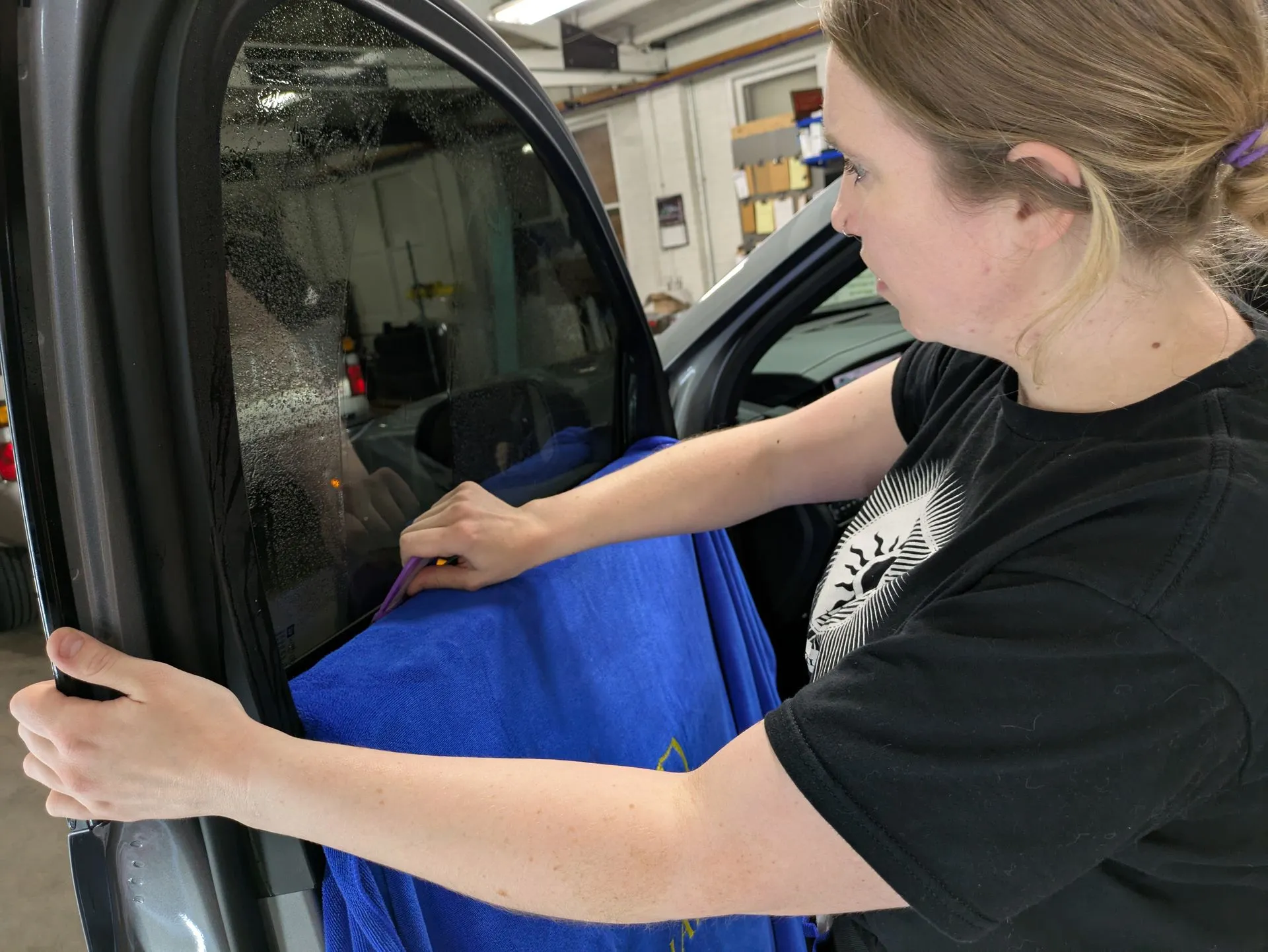
Film Life vs. Wear Life, What the Warranty Covers, and How to Make It Last
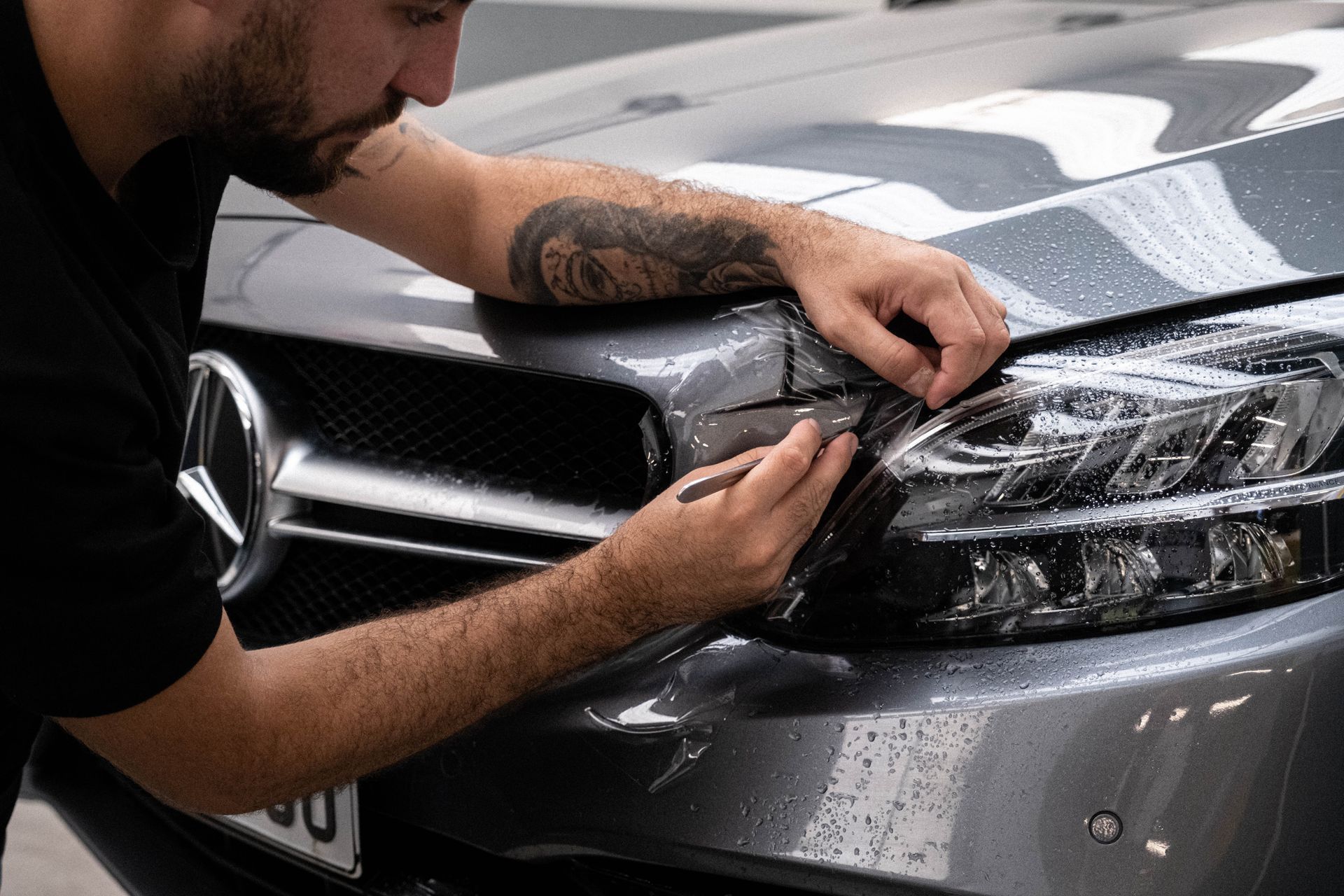
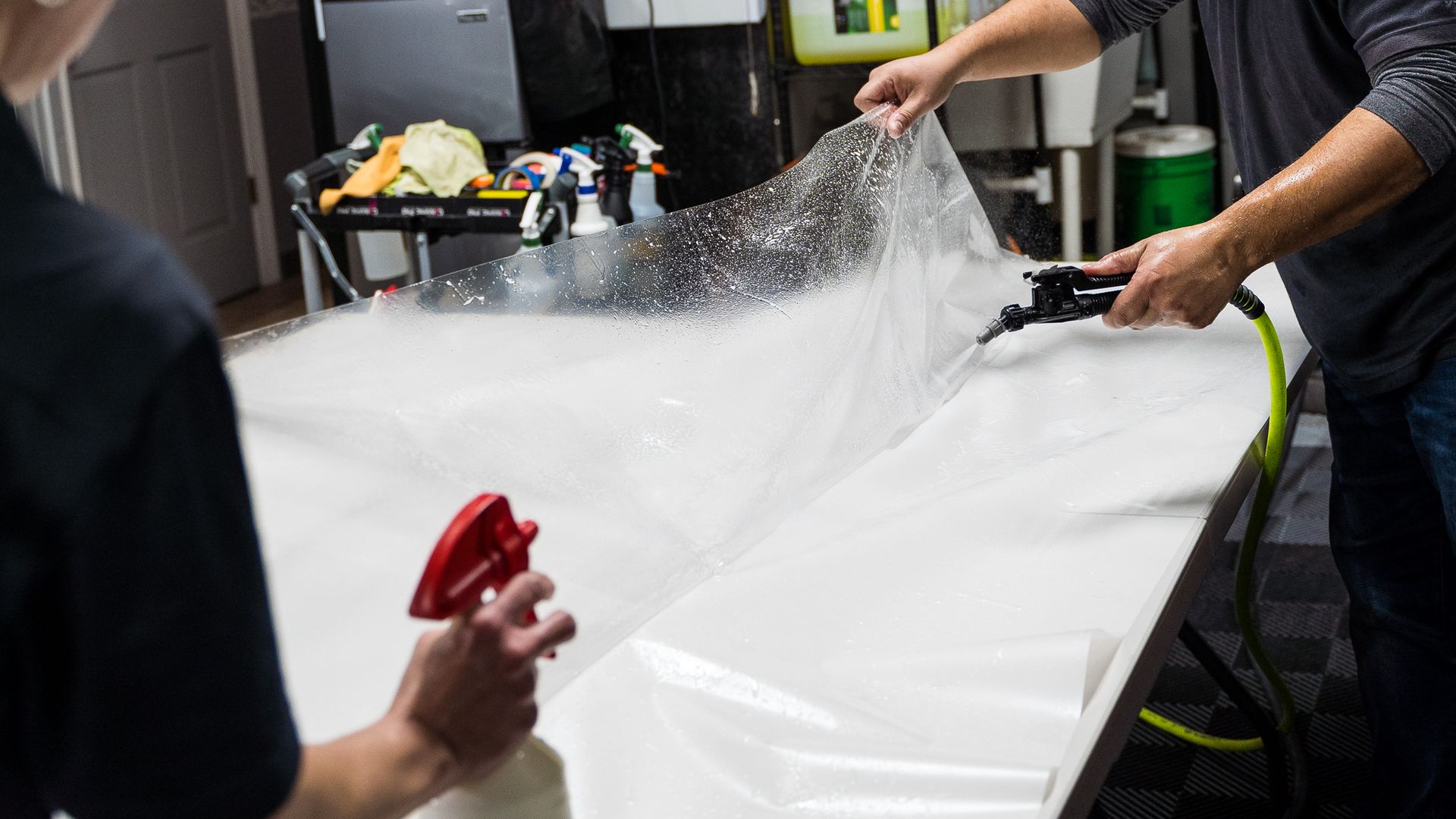
Most quality paint protection film lasts somewhere between 5 and 10 years when it is professionally installed and properly cared for. The gloss film Tidy Car installs is guaranteed for 10 years against yellowing, cracking and delamination. Where your car lands in that range depends on the install, where the car sleeps, how it gets washed, and how much sand and grit the front end takes each winter.
There is a catch in the question, though. PPF lifespan has two answers: how long the film itself stays clear and bonded to the paint and how long a single panel keeps looking good after years of taking hits. A warranty speaks to the first. The second is the film doing its job. Below is how both play out, what a paint protection film warranty does and does not cover, and the care habits that get the most out of a paint protection film package.
The Short Answer: PPF Lifespan by How the Car Lives
- Garaged, hand washed, driven moderately: the upper end of the 5 to 10 year range is realistic.
- Daily driver parked outside: expect the middle of the range, since sun and weather age the top coat faster than a garage does.
- Highway commuter: the film can stay sound for years, but the front bumper and the leading edge of the hood may collect enough impact marks to be worth replacing first.
- Regular trips through tunnel car washes: the shortest life of all. Brushes scratch the top coat, and wash damage is commonly excluded from film guarantees.
- Budget film or an amateur install: yellowing, lifting edges or bubbles can show up within a few years.
One honest note: no independent body tests and publishes PPF lifespans. The ranges above come from manufacturer guarantees and industry estimates, so treat them as expectations, not promises.
Film Life vs. Wear Life: Two Clocks on Every Panel
Every panel with film on it runs on two clocks at once.
- Film life is how long the material holds up: staying clear, flexible and stuck to the paint without yellowing, cracking or peeling. This is what a guarantee covers, and on quality film it is the long clock.
- Wear life is how long the film looks good while absorbing the abuse it was installed to absorb. Rock strikes, sand and road debris land on the film instead of the paint. Light marks heal. Heavier impacts can leave dents or cuts that stay.
The front bumper on a car that racks up highway miles can run out of wear life well before its film life is up. That is not a defect, and no guarantee pays for it. It is not a failure either. The chips went into a replaceable layer, and the factory paint underneath is still intact. Replacing the film on one worn panel is a smaller job than repainting a chipped front end.
What a Paint Protection Film Warranty Covers, and What It Doesn't
Read any PPF warranty closely and you will see it covers the material, not the road. The 10-year guarantee on the gloss film we install covers yellowing, cracking and delamination, with the affected area repaired or replaced at no cost if a covered problem shows up.
What these guarantees typically leave out:
- Installation errors. Bubbles, dirt trapped under the film, adhesive damage from over-stretching, and installation scratches are excluded, which is why the installer matters as much as the film.
- Impact damage. Dents and punctures from rocks and road debris count as wear, not defects.
- Wash damage. Damage from drive-through car washes and improper washing is commonly excluded, including on the film we install.
- Removal problems. Paint lifting when the film comes off is commonly excluded, which matters most on panels that have been repainted.
Before you book anywhere, ask which film and finish you are getting, how long its guarantee runs, whether it covers that finish, and who handles a claim if something goes wrong.
How Self-Healing PPF Works, and Where It Stops
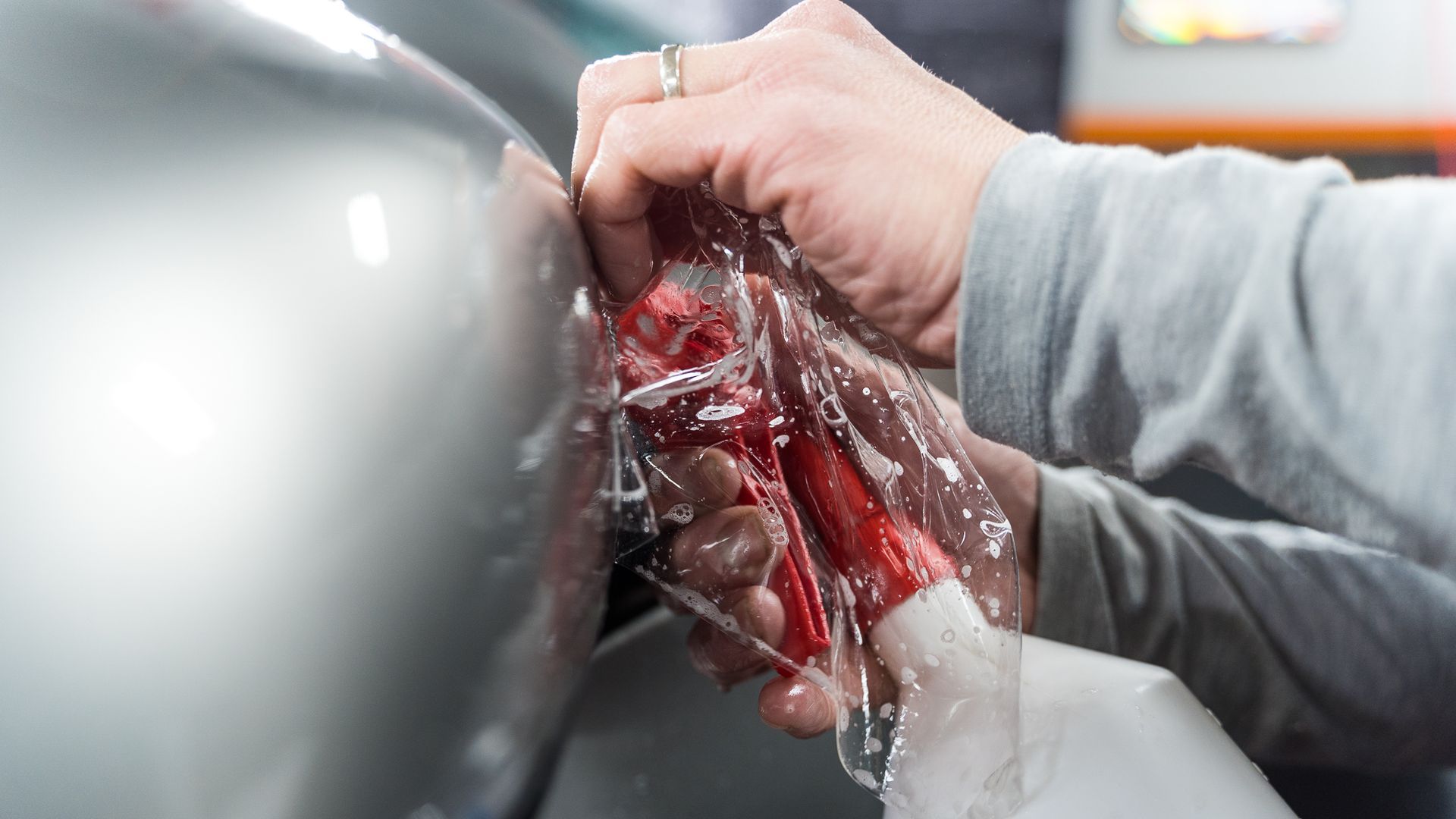
Self-healing PPF has a top coat that softens when it warms up. Light scratches and swirl marks in that layer flatten back out with heat from the sun, warm water or a warm garage. Every film Tidy Car installs has a self-healing top layer.
It has limits. Heat cannot rebuild film that is missing, so cuts, punctures and deep gouges stay. A rock that goes through the film and into the paint needs a paint repair, not patience.
Cold slows the process down. A light scratch picked up in January may sit there until a warmer day or a rinse with warm water brings the top coat back up to temperature. As for whether self-healing fades with age, sources disagree, and the honest answer is that it depends on the film and how it is treated. The top coat is the layer that takes the abuse, so harsh chemicals and abrasive washing wear it down sooner.
What a Sheboygan Winter Does to PPF
Wisconsin roads get a heavy dose of winter treatment. The Wisconsin Department of Transportation reports using an average of 452,000 tons of salt and 21,000 tons of sand per season on state-maintained highways alone, before county and city roads are counted.
For a car with PPF, that means two things. First, the sand and grit thrown up by traffic land on the film instead of the paint, which is exactly where you want them. Second, salt residue dries on the surface and gets ground in if the car is washed with a dirty mitt or a brush. The film itself does not rust, but a chip in unprotected paint that reaches bare metal gives salt a place to start.
The fix is the same washing habit that protects the rest of the car. AAA's winter guidance is to wash every two weeks, more often after heavy snowfall, using a wash that cleans the undercarriage. At a self-serve bay, keep the pressure wand well back from film edges.
PPF Maintenance That Helps the Film Last
None of this is complicated, and most of it is the same care good paint gets anyway.
- Wait before the first wash. The film needs time to settle after installation. Follow your installer's timing; published care guides range from about two days to a week.
- Hand wash or go touchless. Use a pH-neutral shampoo and a clean mitt, and skip tunnel washes with brushes.
- Keep pressure away from the edges. Hold a pressure washer a couple of feet back and never aim it straight at an edge, where it can lift the film.
- Remove droppings, bugs and sap quickly. The longer they bake on, the harder they are on the top coat.
- Keep abrasive polishes and harsh solvents off the film. They wear down the self-healing layer.
- Consider a coating on top. A ceramic coating made for film makes it easier to wash and helps contaminants rinse off.
- Have the edges looked at once a year. Catching a lifting edge early is easier than replacing a panel later.
Signs Your PPF Needs Replacing
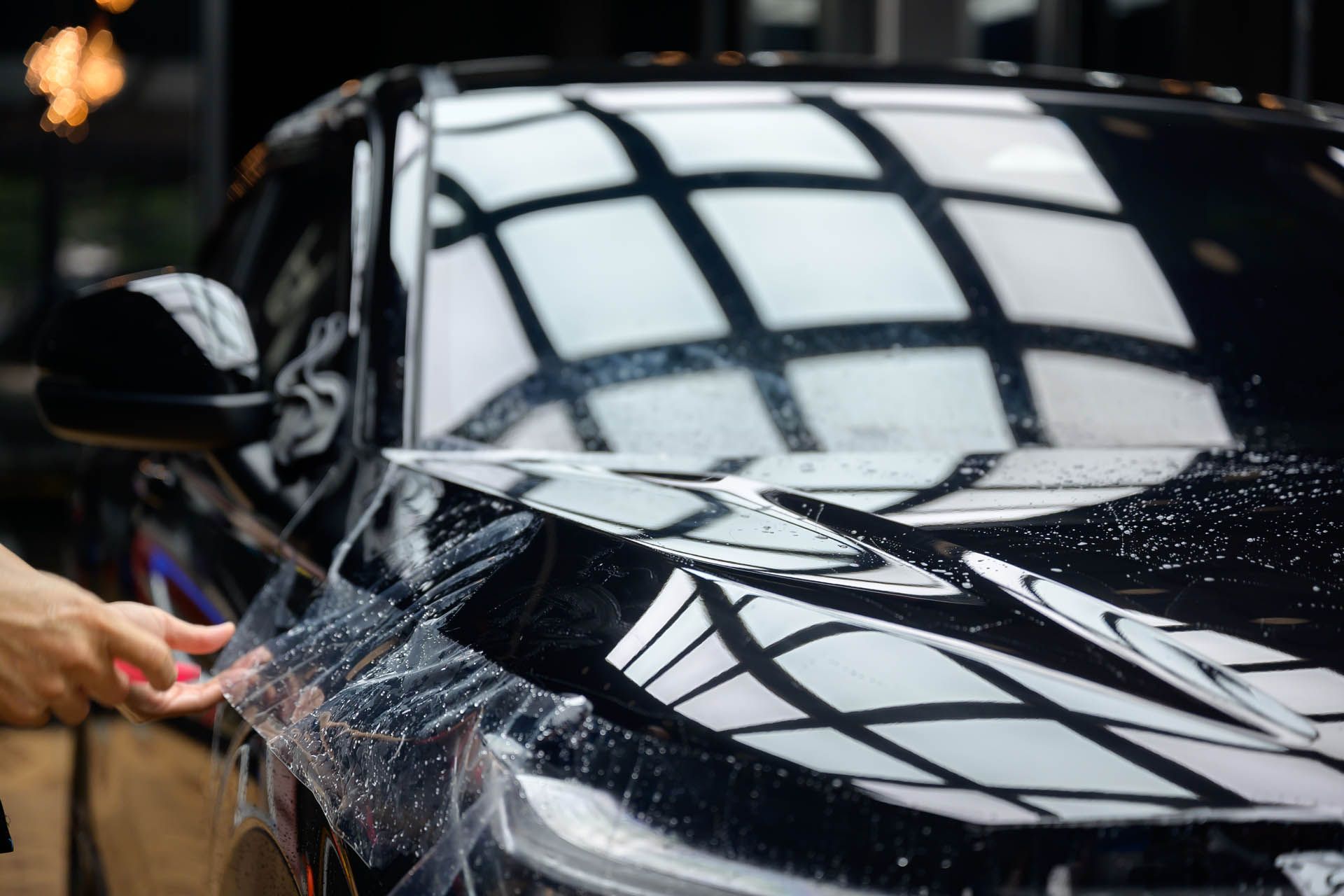
- A yellow or cloudy tint that washing does not remove.
- Fine cracks, or a dry, crazed look on the surface.
- Edges that lift, peel or collect a dark line of dirt.
- Bubbles or haze that appear long after the install.
- Stains or etching that will not clean out.
- Cuts or punctures that heat will not close.
Any one of these on a single panel usually means replacing that panel's film, not the whole car's.
When PPF Is the Wrong Answer
Film is the right tool for rock chips and impact. It is not the right tool for everything.
- You mainly want gloss and easier washing. A ceramic coating does that job, and it is worth reading how long a ceramic coating lasts before you decide.
- The paint is already chipped or swirled. Film locks in whatever is underneath it, so paint correction or touch-up should come first.
- Rust is the worry. Film protects painted panels, not the frame or floor pans. That is an undercoating and rustproofing job.
- The panel has been repainted. Ask about removal risk first, since a respray may not hold up as well when film comes off later.
Frequently Asked Questions
Does PPF really last 10 years?
Quality film that is professionally installed, hand washed and garaged is built to, which is why the gloss film Tidy Car installs is guaranteed for 10 years against yellowing, cracking and delamination. High-impact panels on a hard-driven car may need new film sooner.
Can you take a car with PPF through a car wash?
A touchless wash is the safer choice, and a hand wash is better still. Tunnel washes with brushes can scratch the top coat, and damage from drive-through washes is commonly excluded from film guarantees.
Does paint protection film turn yellow?
Modern quality film is built to resist yellowing, and yellowing is one of the defects the 10-year guarantee on our gloss film covers. Older and budget films are more prone to it, especially on cars that sit in the sun.
Can paint protection film be removed?
Yes. Film can be removed and replaced panel by panel, and professional removal is the safe way to do it. On repainted panels there is more risk of paint lifting, so mention any past bodywork before the film goes on.
Where can I get paint protection film in Sheboygan?
Tidy Car installs PPF at 2619 Superior Avenue in Sheboygan, serving drivers across Sheboygan County and nearby towns like Kiel, Manitowoc and Two Rivers. The shop is open Monday to Friday, 8 a.m. to 4 p.m., with weekends by appointment.
Protection That Fits How You Drive
Tidy Car has been Sheboygan's most trusted vehicle care and protection shop since 1983. We will look at how you drive, where the car sleeps and which panels take the most abuse, then recommend coverage that fits, from door edges and entryways to a full front end.
Call (920) 452-9322 or request a PPF quote to talk through the right coverage for your car.
RECENT POST