Hits vs. Residue, Where Each One Goes, and the Right Order for Doing Both
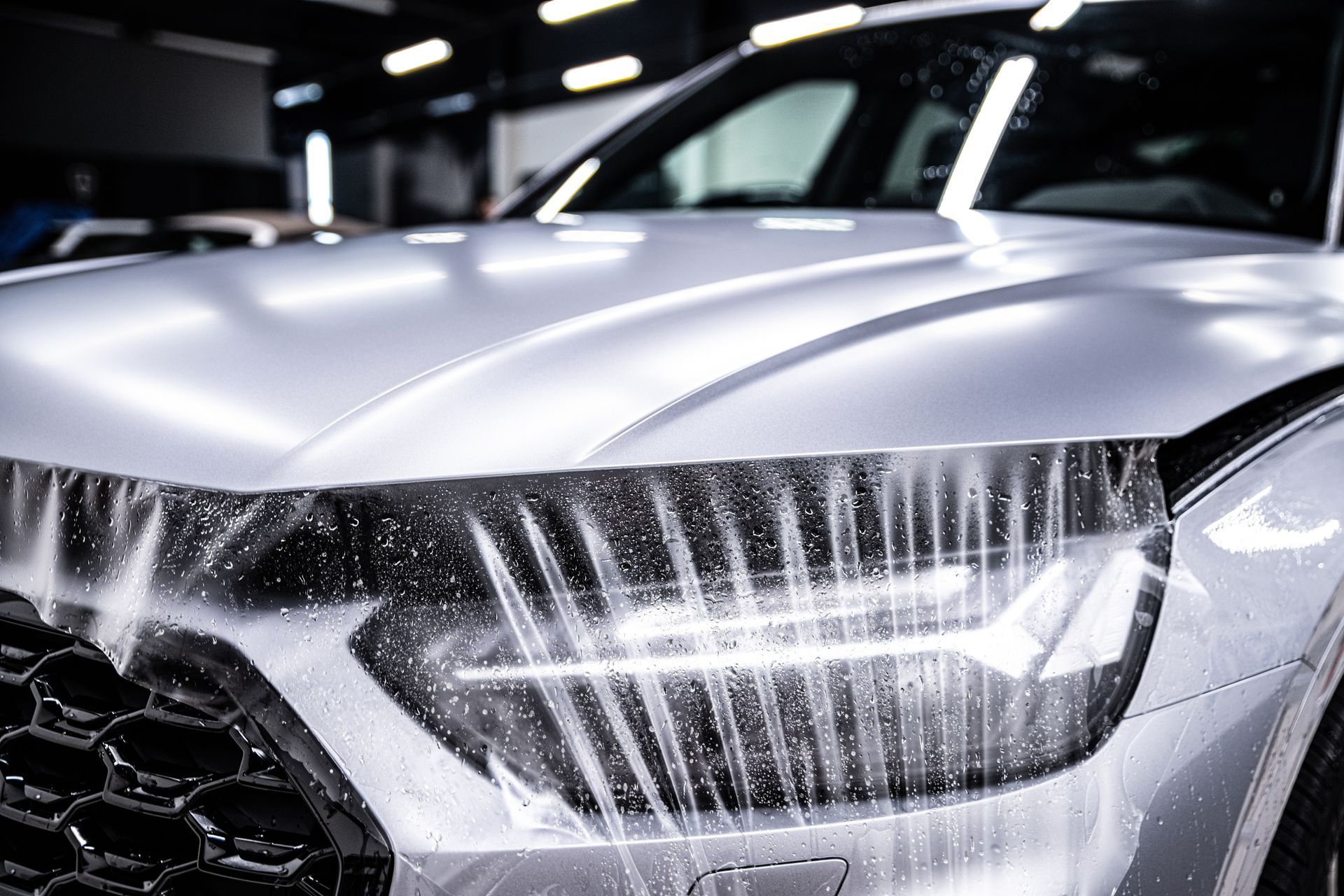
Paint protection film (PPF) is the right choice if rock chips are your main worry, and ceramic coating is the right choice if you want deep gloss and easier washing. PPF is a clear urethane film about 8 mil thick that acts as a protective barrier against rock chips and road debris. A ceramic coating is a thin, hard layer that repels dirt and water but does not stop chips. Plenty of owners use both.
So the useful question is not which product is better. It is which kind of damage your car actually sees. A highway commuter collecting stone chips on the hood has a different problem than a garage-kept car that mostly needs to shrug off salt and bird droppings. Below we put paint protection film and ceramic coating side by side, based on the work we do at our Sheboygan shop, so you can match the protection to the problem.
The Short Answer: Which One, for Whom
- Highway miles on a newer car: PPF on the front end, where stone chips land. Add a coating later if you want easier washing.
- Mostly want shine and easy winter washes: a ceramic coating on every painted panel.
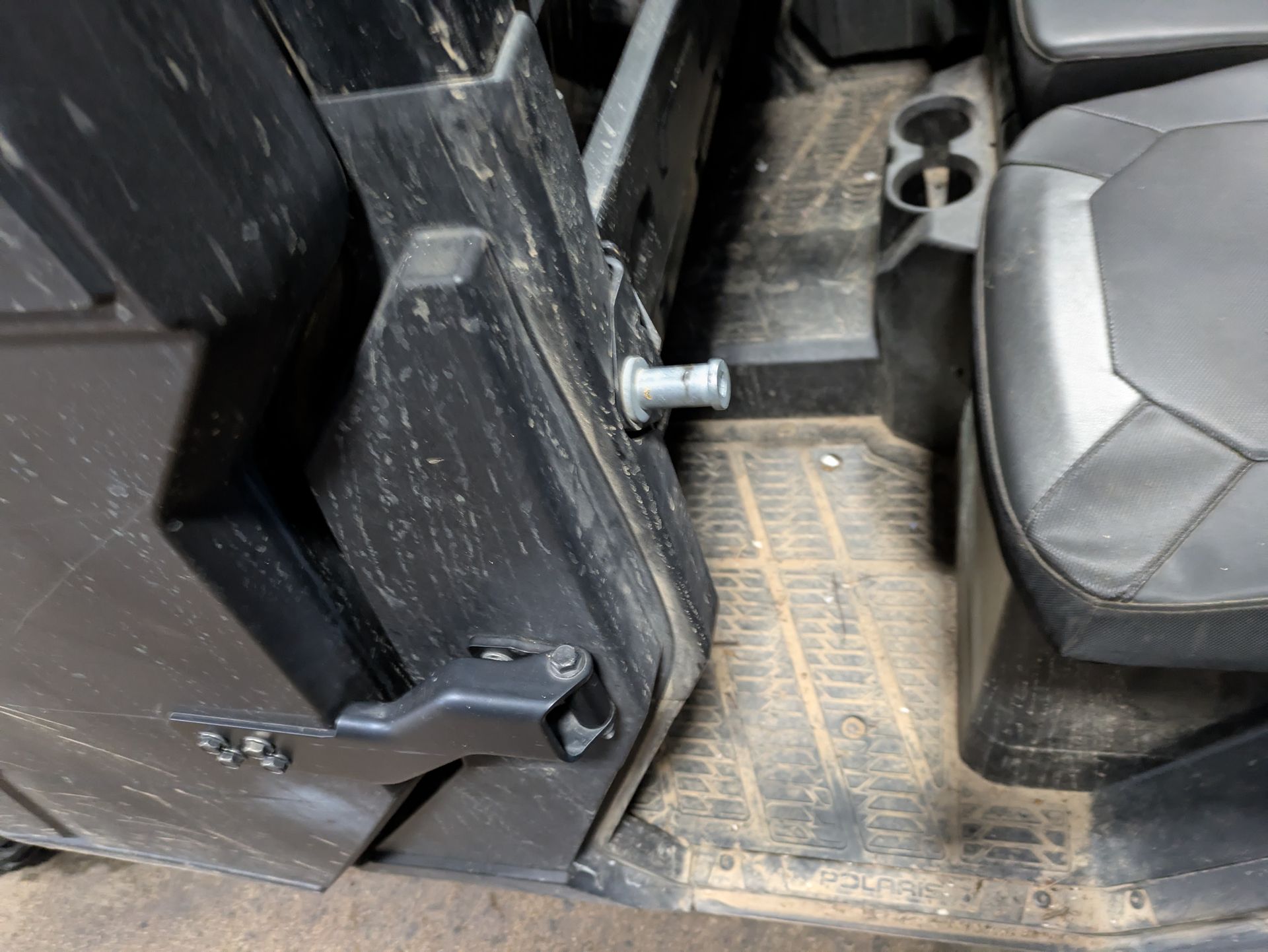
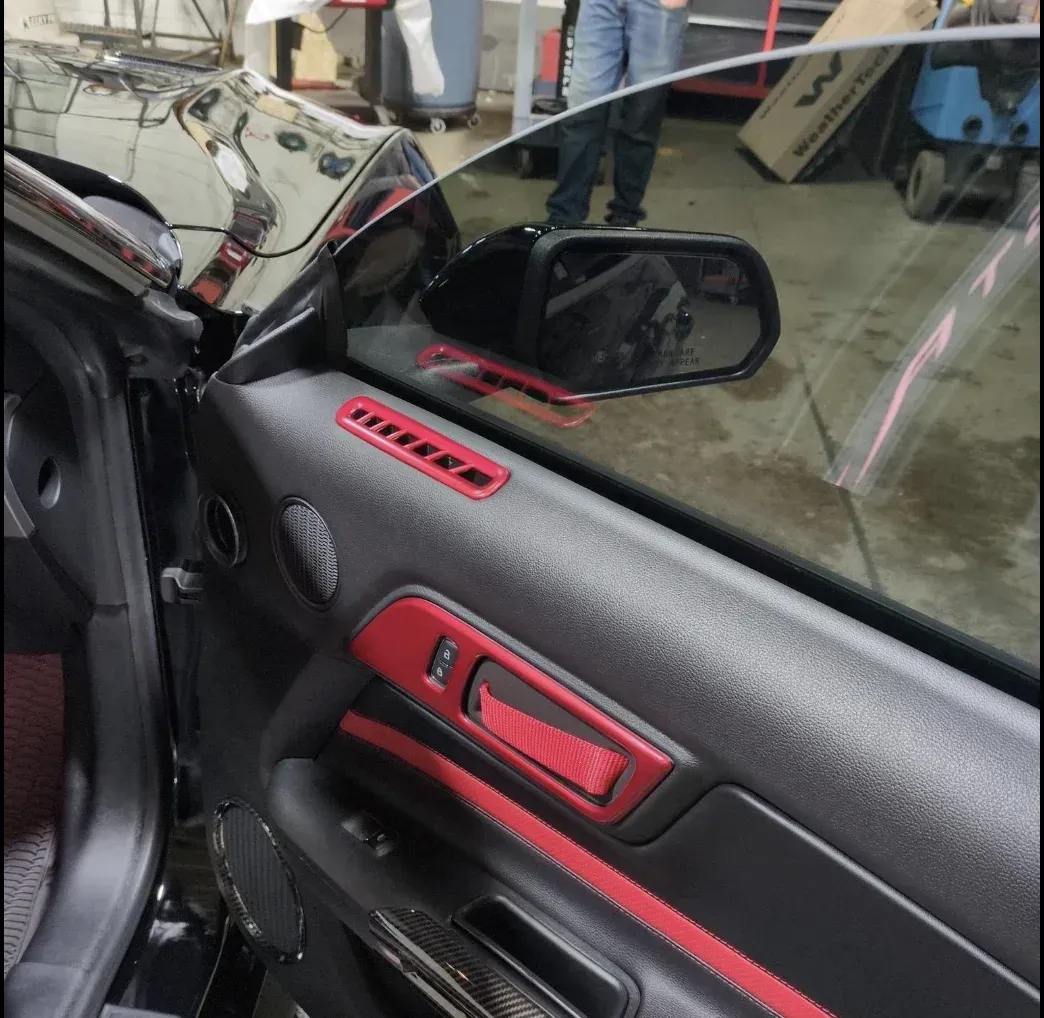
- Tired of chipped door edges and marked-up handle cups: a small PPF package on door edges, handle cups and entryways.
- Want chip protection and easy care: film on the high-impact panels, then a coating over the whole car.
- Paint already chipped or swirled: neither yet. Fix the paint first, because film can't hide what is already there and a coating won't revive it.
How Paint Protection Film vs Ceramic Coating Actually Differ
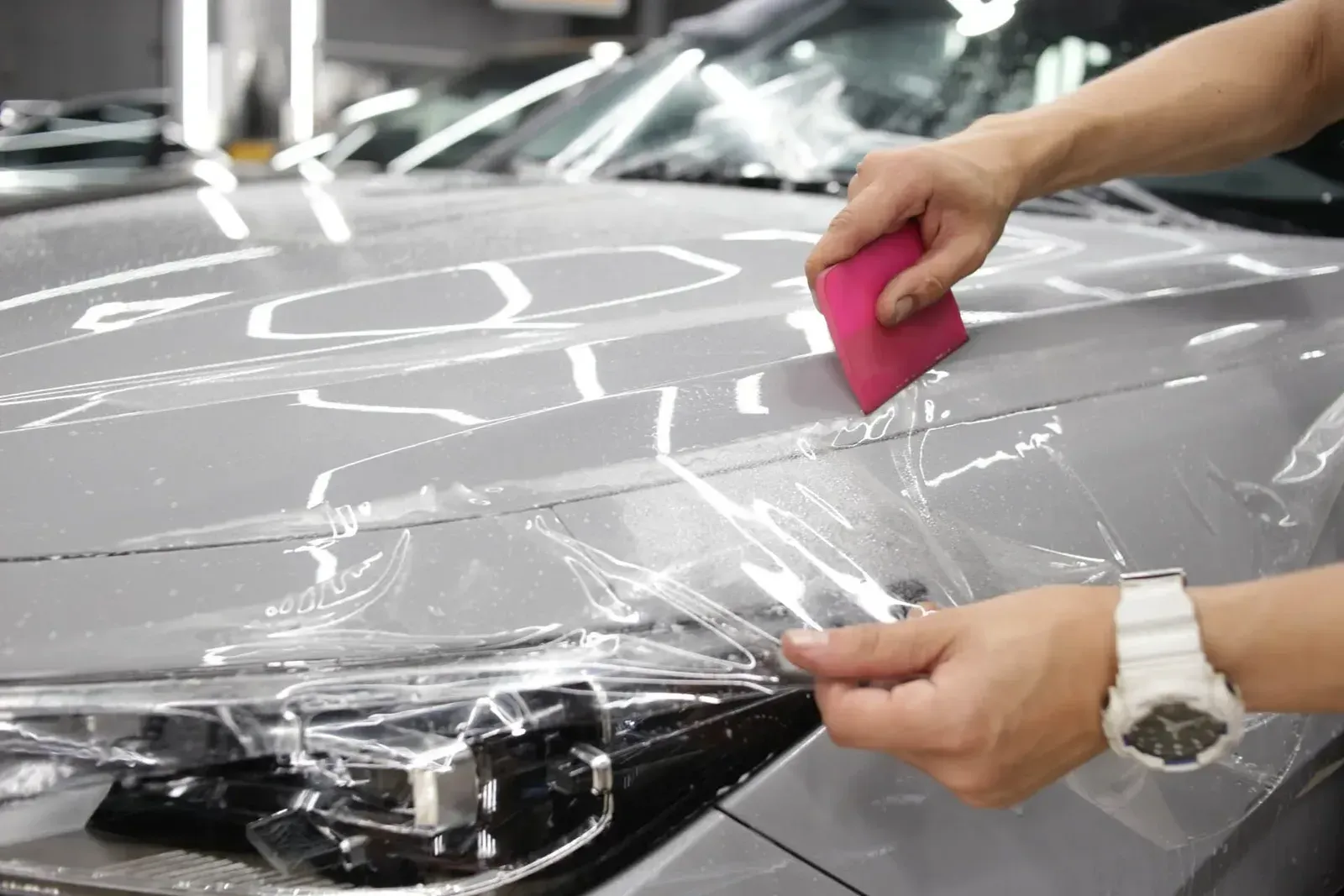
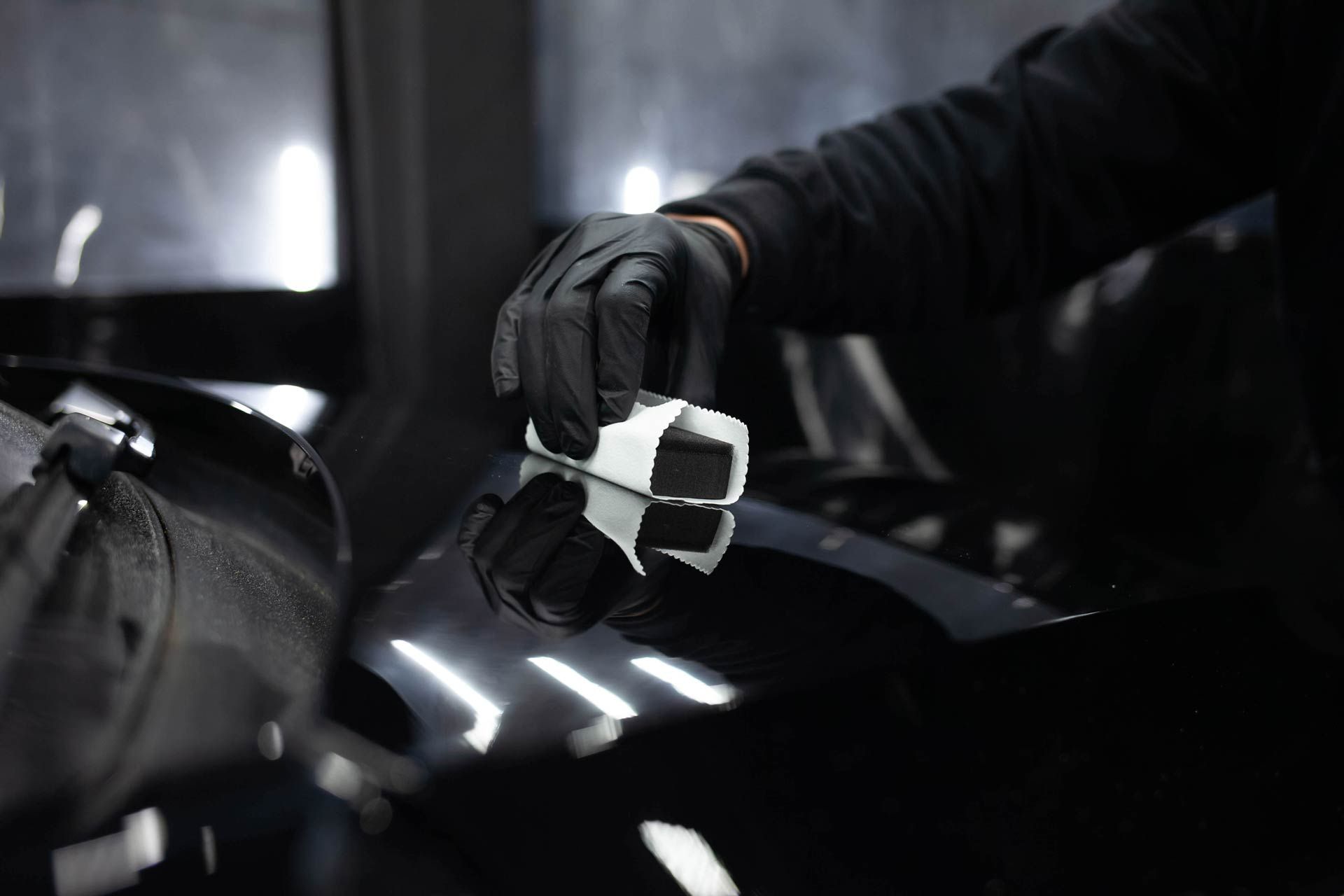
- What it is. PPF is a clear, flexible urethane film cut to fit each panel. A ceramic coating is a liquid that bonds to the paint and hardens into a thin, glassy layer.
- Thickness. Quality film is about 8 mil, roughly 0.2 millimeter. A coating is measured in microns, a small fraction of that.
- Rock chip protection. Film is built for it, and it resists scratches and stains too. Not all films are self-healing, but the film we install has a self-healing top layer, so light scratches in the film heal with heat. A coating does not deflect rock chips or road debris, whatever its hardness rating, and it is not a substitute for film.
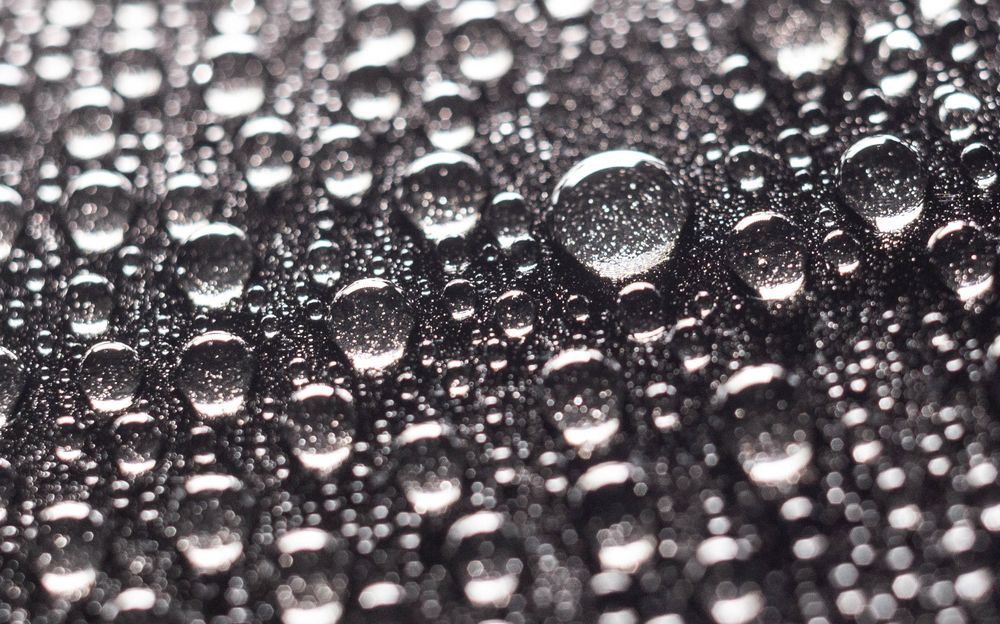
- Look and feel. A coating adds deep gloss and makes water bead and sheet off. Film is clear and enhances gloss, though edges and corners can show up close.
- Coverage. A coating usually goes on every painted surface, and our higher coating packages add wheels, glass, trim and lights. Film usually goes where impacts happen: bumper, hood, mirrors, fenders, rocker panels and door edges.
- Lifespan. High-quality PPF can last 5 to 10 years with proper care, and our gloss film carries a 10-year guarantee against yellowing, cracking and delamination. A professional coating lasts several years or more with proper care. Spray-on products last months.
Hits vs. Residue: Match the Protection to the Damage
Paint damage comes in two kinds, and the two products overlap on only one of them.
Hits are physical: a stone thrown off a truck tire, sand and grit at highway speed, a door swung into a pole. They chip the clear coat and paint. Only something thick enough to absorb the impact helps, and that is film. Even film won't stop every kind of damage, but it is the only one of the two built for this job.
Residue is chemical and environmental: road salt, brine, bird droppings, bug splatter, tree sap and sun. It stains and dulls the finish over time and makes washing harder. Both products help here. Film shields the panels it covers, and a coating's slick, water-repelling surface makes it harder for grime to stick and easier to rinse off. Since a coating usually goes on the whole car, it is how most owners deal with residue everywhere.
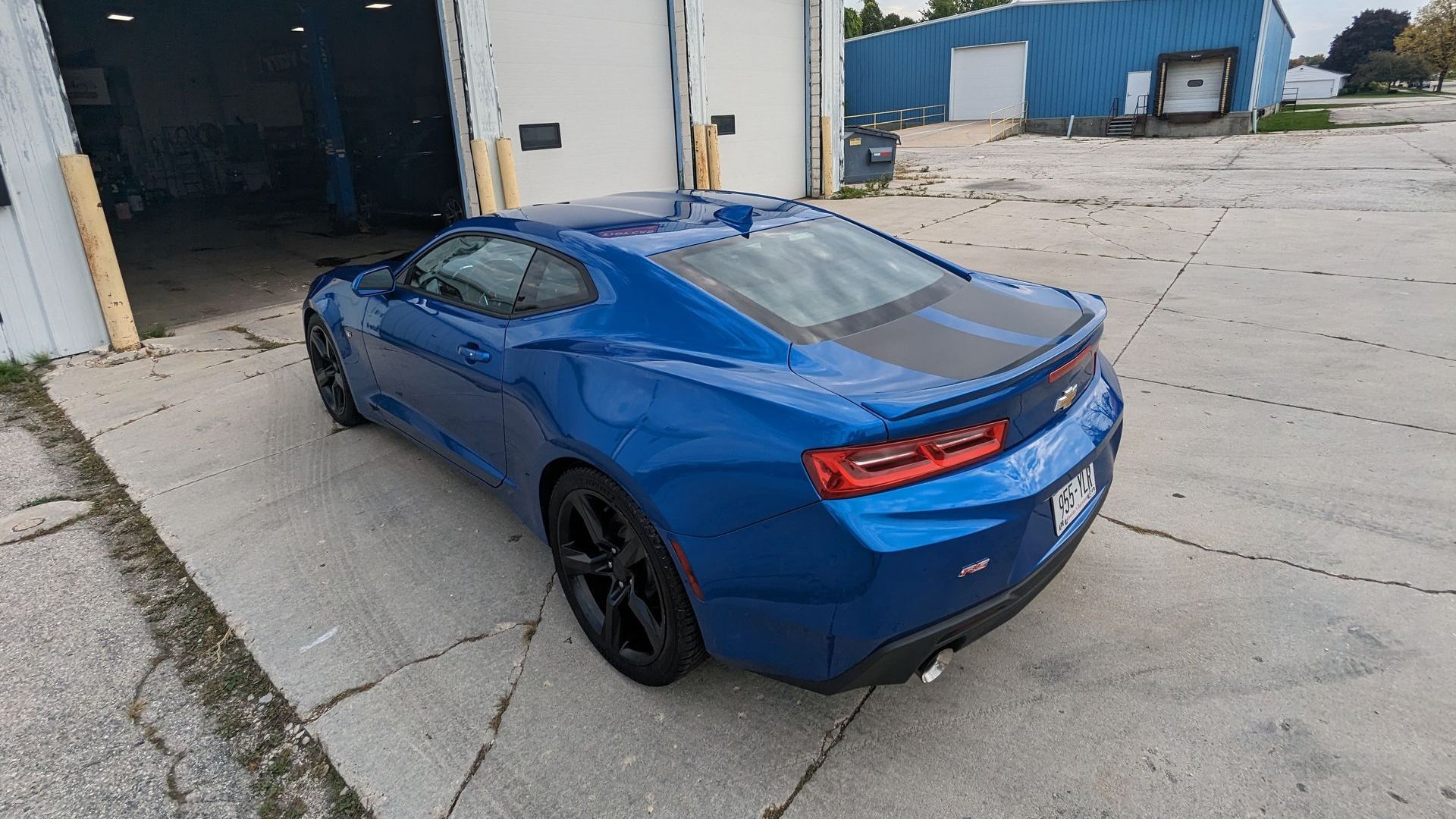
A Wisconsin winter delivers both at once. WisDOT reports an average of 452,000 tons of salt and 21,000 tons of sand used per season statewide. The grit hits the front of the car, and the salt film settles on everything, especially the lower panels. That is why so many Sheboygan drivers end up with film where the hits land and a coating everywhere else. Rocker panels take both at once, grit kicked up by the front tires and salty spray, which is why our full front end film package includes them.
Is PPF Worth It?
Film generally costs more than a coating for the same area, because every piece is cut to the panel, fitted and sealed at the edges with heat by hand. That is why most owners put it only where impacts land rather than on the whole car. As a worked example, here is how our film packages step up by coverage:
- Door edges, handle cups and entryways: the spots that take dings, rings and boots every day.
- Partial front: front bumper, partial hood, mirrors and partial front fenders.
- Full front end: bumper, full hood, mirrors, full fenders, rocker panels, headlights and the impact areas of the rear fenders, plus door edges, handle cups and entryways.
Film is usually worth it when the paint is new or freshly corrected, the car sees regular highway miles, and you plan to keep it for years. It is harder to justify on an older car whose paint already needs work, or one that rarely leaves town.
When PPF Is the Right Choice
- You drive I-43 or other highways often and the front end is collecting chips.
- The car is new, or the paint was just corrected, and you want to preserve that look.
- You want specific trouble spots covered: door edges, handle cups, entryways, the cargo opening.
- You would rather replace film on one panel than touch up or refinish chipped paint.
When Ceramic Coating Is the Right Choice
- Gloss matters most, and you want washing to be faster and easier.
- The car lives through winter salt and slush, and you want residue to rinse off instead of bonding.
- You want wheels, glass and trim protected too.
- You are choosing one service, and chips are not your main problem.
What Both Options Have in Common
Neither one lets you stop caring for the car, and both depend on the same habits.
- Prep decides the result. Both go over a thoroughly washed and decontaminated surface, and any defects left in the paint stay visible underneath.
- You still wash the car. Hand washing or a touchless wash is the safe choice for both. Brush-style automatic washes wear down a coating and can damage film.
- Neither is permanent. Film eventually needs replacing on the panels that take the most abuse, and a coating wears down over the years and benefits from periodic upkeep.
Ceramic Coating Over PPF: Doing Both in the Right Order
Pairing the two is common, and the order matters.
First, fix the paint. Film and coating both seal in whatever is underneath, swirls and chips included, so paint correction comes first if the finish needs it. A coating then locks in the corrected gloss.
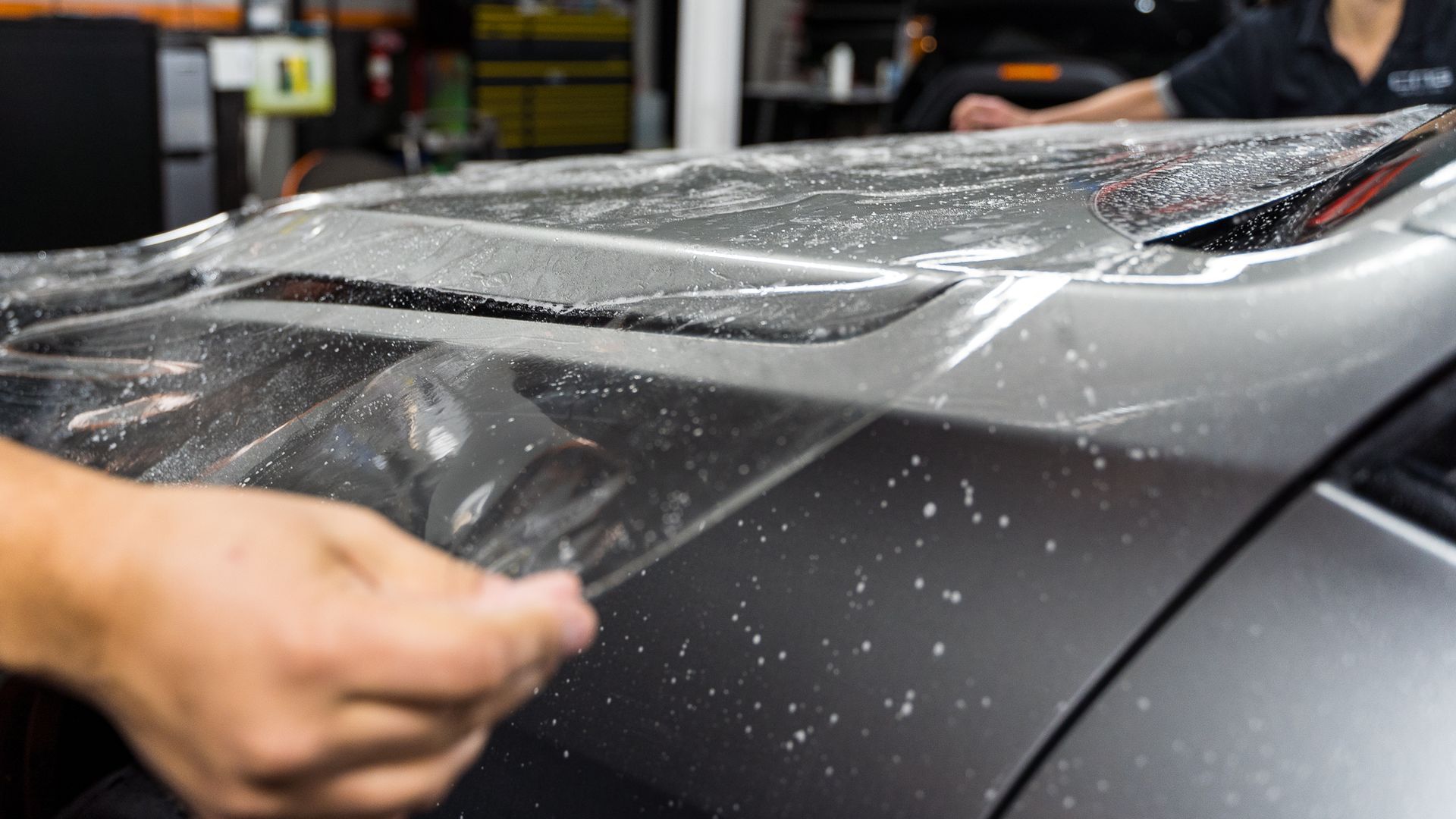
Next, the film. It goes on the high-impact panels and needs time to settle before anything covers it. Coating makers say the film should be fully cured and free of bubbles first. Your installer sets the timing.
Last, the coating. It goes over the whole car, film included, using a coating made for film. On the film it adds gloss and slickness, so bugs and road grime release more easily. The film still does the impact work. The coating just makes everything easier to keep clean.
The Mistake Most Buyers Make
The most common mistake is buying a coating to stop rock chips. A hardness rating sounds like armor, but a coating is far too thin to absorb a stone at highway speed. We break down what ceramic coating does and does not do in a separate guide.
The second mistake is putting film over damaged paint. Film can't hide scratches or chips already in the paint, so they stay visible for as long as the film is on. Correct first, then protect.
Frequently Asked Questions
Is PPF worth it?
For a newer car that sees highway miles and that you plan to keep, usually yes, because chipped film can be replaced panel by panel while chipped paint needs touch-up or refinishing. On an older car whose paint already needs work, correction and a coating often make more sense first.
Can you put ceramic coating over PPF?
Yes, as long as the coating is made for film. It adds gloss and makes the film easier to wash. Let the film settle and cure first; your installer will tell you how long.
Does ceramic coating protect against rock chips?
No. A coating repels dirt and water, makes washing easier and adds a layer of UV protection, but it is too thin to absorb a stone strike. For rock chip protection, film is the right tool.
Which lasts longer, PPF or ceramic coating?
High-quality film can last 5 to 10 years with proper care, and our gloss film is guaranteed for 10 years against yellowing, cracking and delamination. A professional coating lasts several years or more with proper care. Our guide on how long paint protection film lasts covers what shortens it.
Where can I get PPF and ceramic coating in Sheboygan?
Tidy Car installs both at 2619 Superior Avenue in Sheboygan, serving drivers across Sheboygan County and nearby towns like Kiel, Manitowoc and Port Washington. The shop is open Monday to Friday, 8 a.m. to 4 p.m., with weekends by appointment.
Protection Built Around How You Drive
Tidy Car has been taking care of vehicles in Sheboygan since 1983 and is accredited by the IDA. If you are weighing film, a coating or both, we can look at the paint, ask how and where you drive, and talk through which panels actually need which kind of protection.
Call (920) 452-9322 or request a quote, and tick both PPF and ceramic coating on the form if you want them quoted together.
RECENT POST